TL;DR
A recording studio checklist has two halves and most guides only write the second one. Before you book: get the rate in writing, ask how many microphones are in the room rather than how many cameras, and read the reviews older than six months. On the day: files sent 48 hours ahead, your own headphones, still water, a running order. For scale, Bali rates collected by phone in April 2026 run from Rp600k for a single camera without an operator to Rp3.8M for three with one.
Six things to check before the deposit leaves your account

Start with the studio, not the packing list. Most sessions that go badly were decided a week earlier, in the fifteen minutes nobody spent asking questions.
The rate is published. A studio that will only quote after you write is either unsure of its own price or working out how much money you have. Neither is a good reason to hide a number. Get the rate in writing before anything else.
The minimum is two hours. That is the norm on this island, not a warning sign. The room to avoid is the one selling a thirty-minute session at the full hourly price and calling it flexibility.
The deposit sits between Rp500k and Rp1M. That is the range across the studios we call. One asking for nothing is either unsure of its own calendar or has not worked with enough international clients to have been burned yet.
Somebody has a name. Ask who will be in the room with you. "Our experienced team" is not an answer. "Dam, he has been running podcast sessions for three years" is. Across 150 Google reviews of Villo Studio, clients named the operator themselves - Dam six times, Damir twice, Nara twice, Anton twice. At most competitors in our catalog the operators are never named at all.
Your slot exists. If you need to record at 20:00 because your audience is in Moscow or New York, ask before you plan anything else. Most studios on Bali close at 18:00. Out of sixteen, two or three run regular night slots.
The edit is priced separately. The headline rate here almost never includes post-production. Settle that before you compare two quotes, or you are comparing different products.
The old reviews tell you more than the star average
A 4.9 across 30 reviews and a 4.9 across 313 are not the same claim, and neither one tells you what the room is like on a Tuesday afternoon.
Two habits fix most of it.
First, read the reviews older than six months. Recent ones cluster around a launch, a promotion, or friends of the owner. A studio holding 4.9 stars across 128 reviews collected over 23 months has survived enough ordinary weeks to mean something. For scale: Villo Studio sits at 4.9 with 128 reviews, Genesis Creative Centre at 4.8 with 313, and Mercury Music Studio at 5.0 with 349 - the most reviewed room in our recording studios directory.
Second, read what the studio wrote back. Nobody publishes this number and anybody can count it. Genesis, with its 313 reviews, replies to fewer than one in three. Villo replies to 77%. VoxPop and HypeHunters, both far smaller, sit between 91% and 100%.
Review volume is a marketing outcome. Reply rate is an operating habit, and it is the one that shows up when your session runs twenty minutes long or a file goes missing from the handover.
Count the microphones, not the cameras
Every price list on this island is quoted by camera count. Genesis: Rp950k, Rp1.1M and Rp1.25M for one, two and three cameras. VoxPop: Rp745k, Rp1.095M, Rp1.495M. Villo Studio: Rp1.25M, Rp1.55M, Rp1.65M. All collected by phone in April 2026. Not one of them prices a microphone.
That is backwards. An extra camera angle is a convenience for the editor. Bad audio is what makes a recording unusable, and no number of cameras repairs it afterwards.
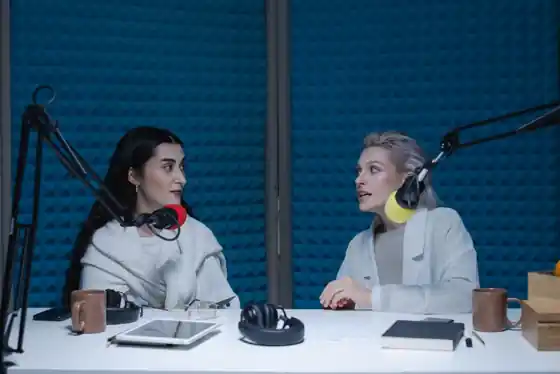
For a conversation with one guest you want at least two dedicated microphones and a lavalier for anyone who stands up. A studio advertising three cameras and running one shared condenser in the middle of the table is a video studio being sold as a recording studio. Ask for model names. Ask how many inputs the interface has. A vague answer describes a vague room.
Look at what the market actually prices: at Villo the second camera costs Rp300k and the third costs Rp100k. Nobody on the island quotes Rp100k for a second microphone, and the second microphone is the one that saves the recording.
What an hour costs here, and what the deposit buys

Rates below were collected by phone in April 2026, per session, with an operator unless noted.
The cheapest single-camera room on the island is Creators Studio Bali at Rp600k, and it comes without an operator - you shoot it yourself or bring someone. VoxPop Podcast Studio starts at Rp745k, Genesis Creative Centre at Rp950k, Canggu Podcast at Rp1.2M, Villo Studio at Rp1.25M, and Hot Tea Podcast Studio in Uluwatu at Rp1.7M. At the top of the regular market, HypeHunters charges Rp3.8M for three cameras and Studio42 Ubud Rp3.5M for two hours.
Among the studios that quote a two-camera rate at all, the average is Rp1.25M. Studio-only rental, without an operator, is a different and much cheaper product: Rp600k for two hours at Villo, Rp500k at VoxPop and Aya. It is rarely on the website. Ask for it by name if you have your own operator.
Two things are worth checking against any quote. Whether it is per hour or per session, and whether the second hour costs what the first one did. Our podcast studio rates guide breaks pricing down by format, and the Bali recording studios overview compares the rooms themselves.
What the engineer needs 48 hours before you arrive
A session that opens with a file conversation has already lost its first twenty minutes, and you are paying for them.
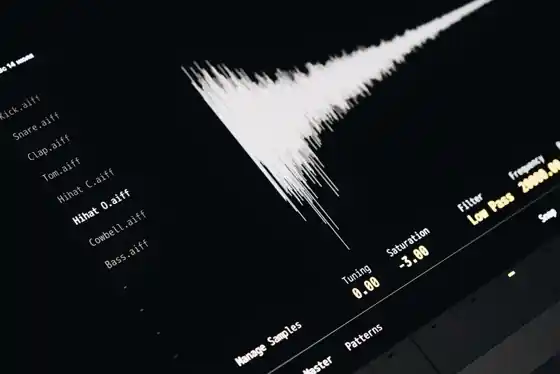
Send the backing track as a WAV, not a 128 kbps MP3 pulled off a streaming page. Send the BPM and the key written down rather than assumed. Send stems if you have them, named so a stranger can read them - vox_lead_v3 beats final_FINAL_2.
Send two or three reference tracks with one sentence each on what you want from them. "The vocal sits like this" is useful. "Make it sound professional" is not.
Send a running order: which song first, how many in total, roughly how long each one runs. Engineers plan the shape of a session around that and cannot guess it.
If you are booking a video session rather than a music one, the equivalent is a script, a shot list, and the aspect ratio you need at the end. Same principle. The room cannot read your mind, and the meter runs while it tries.
The bag: what to carry through the door
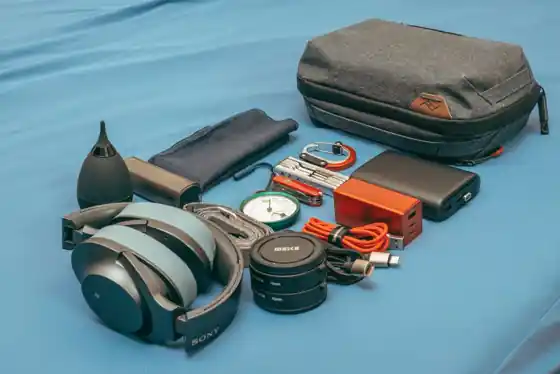
Your own headphones, if you own a pair you know. Decisions made on unfamiliar cans are decisions you make twice.
A drive with at least 32 GB free, formatted exFAT so it mounts on both Mac and Windows. Multitrack sessions fill space faster than people expect.
Spares for anything that breaks or runs out - strings, picks, sticks, batteries for active pickups, a tuner, a cable you trust.
Still water, not carbonated. Carbonation is audible. So is dairy, which coats the throat and turns into mouth noise somebody later pays an editor to remove.
A layer. Studios here run the air conditioning hard, and a shiver is audible on a condenser microphone.
Your passport or KITAS if the building has a front desk, which several of the Denpasar rooms do.
The studio's phone number saved, not only the Instagram handle. If you are late, or the gate is locked, or the front desk has never heard of your booking, a DM will not reach anyone in time.
The Bali part: traffic, power and who you bring
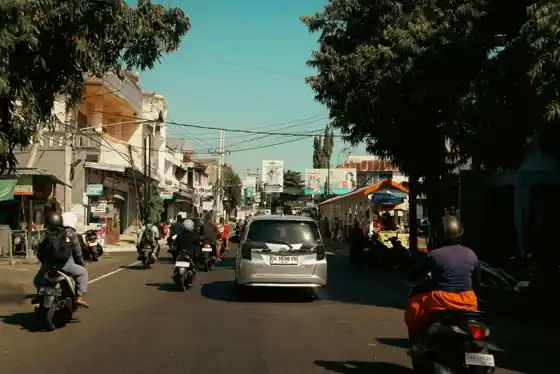
Leave earlier than the map tells you. The run between North Kuta and Denpasar in the late afternoon is the most reliable way on this island to lose an hour you already paid for. Book near where you sleep when you can: eight of the sixteen studios we track sit in North Kuta, around Canggu and Pererenan, three in Denpasar, two each in Uluwatu and Ubud, one in Tabanan.
Ask whether the recording rig runs off a UPS. Short interruptions happen, and an interface that reboots mid-take costs you the take.
Bring the people who contribute and leave the rest at the cafe. Every extra body in a treated room is another chair scrape, another phone buzzing on a table, another opinion about the third take.
Warm up before you get there, not in the booth. Studio time is the most expensive place on Bali to clear your throat.
Leave with your files, not a promise
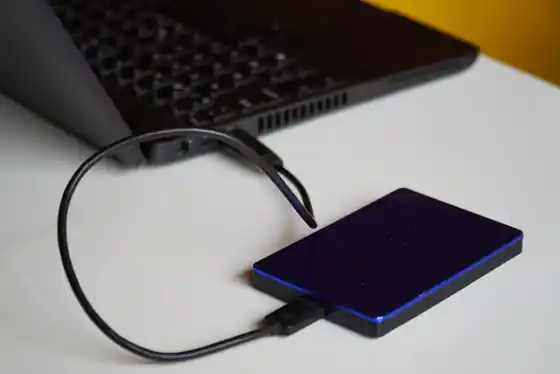
Copy the raw multitrack onto your own drive before you walk out of the building. Studios are not archives, and the ones that do keep sessions rarely commit to how long.
Do not release the rough mix. It exists so everyone in the room can hear roughly what happened, and it will sound thin everywhere except the monitors it was made on. Give it a week, then listen again in a car.
Agree in writing who owns the files, how long the studio stores them, and what a revision costs. Editing is a real product here, not a favour: across 23 months of Villo Studio bookings, video editing accounted for 7.1% of revenue as its own line item. A studio that treats it as an afterthought will treat your deadline the same way.
Then write the review, with the date and the price in it. That is the review the next person can actually use.
When not to book a studio at all
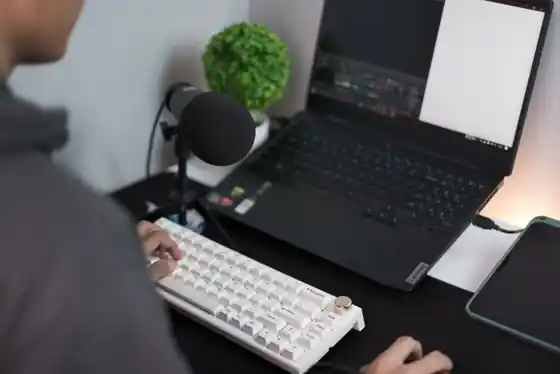
Some recordings do not need a room, and a studio worth trusting will say so.
Scratch tracks, demos and voice notes to a collaborator: a treated corner and a decent USB microphone will do. A wardrobe full of clothes is a better vocal booth than most people assume, and it costs nothing.
A solo voiceover under two minutes: same answer.
You are not on Bali: book in your own city. We would rather send you to a room ten minutes from your house than have you plan a trip around a session.
Your output does not earn the day back: the premium rooms - Rp3.8M for three cameras at HypeHunters, Rp3.5M for two hours at Studio42 Ubud - make sense when the end product is a course selling at $5,000 and up. For a first podcast episode with no audience yet, the maths does not work. Start at Rp745k and move up when the numbers ask you to.
You are recording a full band: most rooms in our catalog are podcast and video studios with a microphone or two, not tracking rooms. Go to a dedicated music studio - Mercury in South Kuta, AMPS in Denpasar, Aya in Tabanan - and read the music recording studio guide before you call.
Frequently asked
What should I bring to a recording studio session?+
Your own headphones, a drive with at least 32 GB free formatted exFAT, spares for anything that breaks (strings, sticks, batteries, a tuner, one cable you trust), still water rather than carbonated, a layer because the air conditioning runs cold, your passport or KITAS if the building has a front desk, and the studio's phone number saved rather than only its Instagram handle.
How far in advance should I send my files to the engineer?+
Forty-eight hours. Send the backing track as a WAV rather than a 128 kbps MP3, the BPM and key written down, stems named so a stranger can read them, two or three reference tracks with one sentence each, and a running order. A session that opens with a file conversation loses its first twenty minutes, and you are paying for those.
How long should I book a recording studio for on Bali?+
Two hours is the standard minimum here and it is a fair one. Build the booking around your running order rather than your budget: count the tracks, add setup, add the twenty minutes that always disappear somewhere. A studio selling a thirty-minute session at the full hourly rate is not being flexible.
How much does a recording studio cost on Bali?+
Collected by phone in April 2026: Rp600k at Creators Studio Bali for one camera without an operator, Rp745k at VoxPop, Rp950k at Genesis Creative Centre, Rp1.2M at Canggu Podcast, Rp1.25M at Villo Studio, Rp1.7M at Hot Tea in Uluwatu. The premium end is Rp3.5M for two hours at Studio42 Ubud and Rp3.8M for three cameras at HypeHunters. Studio-only rental without an operator runs Rp500k to Rp600k for two hours where it is offered.
Do studios on Bali ask for a deposit?+
Most do, between Rp500k and Rp1M. That is normal and it is a good sign rather than a bad one. A studio that asks for nothing is either unsure of its own calendar or has not yet been burned by a no-show from abroad.
How do I tell whether a studio is any good before I book?+
Read the reviews older than six months rather than the recent ones, and count how often the studio replied. Genesis Creative Centre replies to fewer than one review in three of its 313; Villo Studio replies to 77%; VoxPop and HypeHunters, both much smaller, sit between 91% and 100%. Then ask how many microphones are in the room, and ask for the name of the operator who will work with you.
Can I take the raw files home after the session?+
Ask before you book, and copy the multitrack to your own drive before you leave the building. Studios are not archives and the ones that do store sessions rarely commit to a period. Get ownership, storage time and the price of a revision in writing at the same time.
When should I record at home instead of booking a studio?+
For scratch tracks, demos, voice notes to a collaborator, and solo voiceovers under two minutes. A treated corner and a decent USB microphone handle all four, and a wardrobe full of clothes is a better vocal booth than most people assume. Book a room when the recording has to be published, not while you are still deciding what it is.
Keyword cluster
About the author
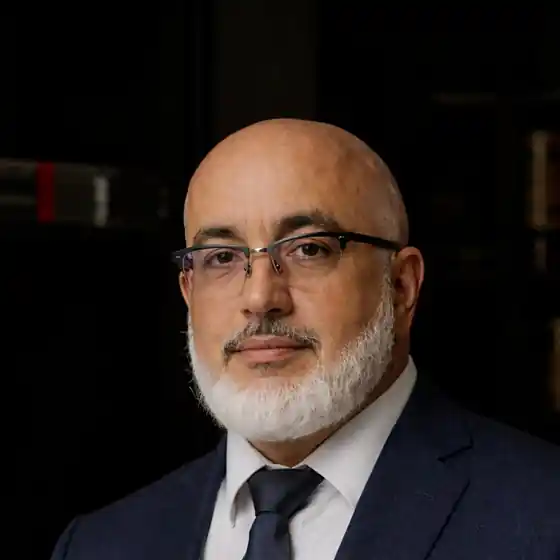
Bernard Moreau· Editor-in-Chief
Editor-in-chief of Near Me. Twenty-five years in French media — most recently at Le Film Français — before moving to Bali in 2017 and turning his attention to the island's production scene. Full profile →
Ready to find a studio?
Browse our full catalog of 17+ Bali studios, or jump to the podcast category.