
TL;DR
Bali has a tight cluster of music recording studios — five major operators handle the bulk of the work, with Mercury Music Studio in South Kuta and AMPS Music in Denpasar pulling the highest review counts on the island (349 and 315 respectively). Most sessions land in the Rp500k–Rp1.5M per hour band for vocal tracking with engineer; full-band sessions and premium rooms like W Sound Suite run higher. The room matters less than the engineer behind the desk — pick by who runs your session, not by the price.
How much does it cost to rent a music recording studio in Bali?
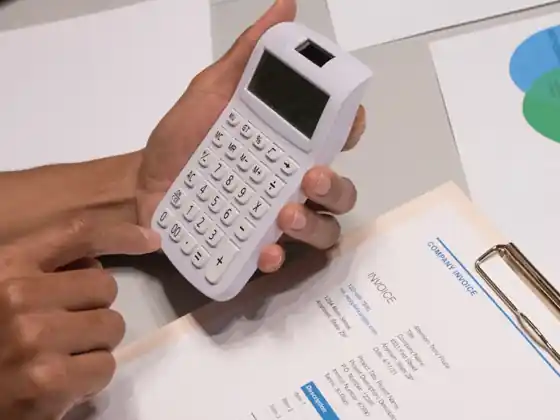
Bali music recording studios split into three honest tiers. We cross-checked these against listed rates on studio sites and the catalog calls we made in April 2026 — exact numbers vary by studio and shift weekly, so verify before you book.
Budget — Rp300k to Rp600k per hour. Self-serve booths and small writer rooms sit here. Genesis Creative Centre's music room and a handful of Canggu coworking-style spaces overlap this band. You get a vocal booth, one condenser microphone, and a basic monitoring setup. No engineer, no outboard, no console.
Mid-market — Rp700k to Rp1.5M per hour. This is where most professional sessions land. Aya Studios in Tabanan, Debeat Creative Hub in Denpasar, and Ubud Creative House all price in this range. You get a proper isolation booth, multiple microphone options (tube, FET, dynamic), a Pro Tools or Logic-equipped control room with calibrated monitors, and an engineer behind the desk. Mercury Music Studio in South Kuta sits at the top of this band when booked hourly.
Premium — Rp1.5M to Rp6M per hour. AMPS Music in Denpasar, W Sound Suite at W Bali in Seminyak, and Bali Praia occupy this tier. W Sound Suite specifically publishes hourly rates in the Rp4M–6M range — built into the hotel's premium positioning, used by touring artists who pass through Bali. AMPS Music handles full-band sessions with a dedicated drum room and runs one of the highest review counts among music-only operators on the island (315 Google reviews).
The honest summary: the room is rarely the bottleneck. The engineer behind the desk, the monitor chain, and whether the gear list matches what your project actually needs — those move the final result more than the hourly rate.
What's actually included in the rental
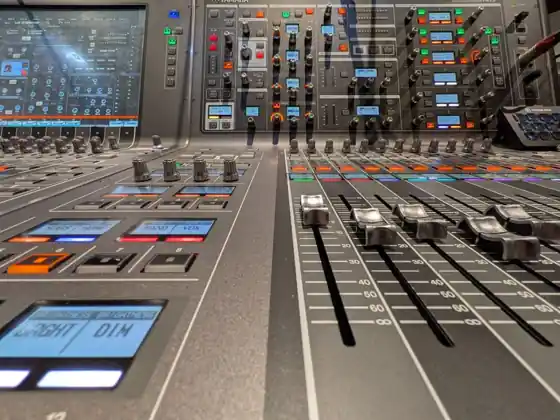
Most Bali music studios bundle a predictable core: a treated control room, a vocal isolation booth, two or three microphones, a Pro Tools or Logic system, near-field monitors, and a basic outboard chain. The differences sit in five places, and these are where the invoice quietly drifts.
Engineer included or not. Mid-market studios price the engineer into the hourly rate. Budget booths sit on a self-serve model — you bring your own session lead or operate the gear yourself. For vocal tracking with no editing, self-serve can work; for anything with multiple takes, comping, or rough mixing on the day, the engineer is the difference between a session that ships and one that goes back to the home studio for cleanup.
Mixing and mastering. Some studios market a packaged mix-and-master rate as an add-on; most quote per-song. Typical pricing on Bali runs Rp1.5M–4M per song for mix only, Rp500k–1.5M for mastering. Full albums are negotiated separately. Aya Studios and AMPS Music both handle mixing as a meaningful share of their work — check before assuming.
Outboard and the gear list. Mercury Music Studio and AMPS Music carry working API, Neve-style, and SSL-style outboard. Smaller rooms are in-the-box only (digital plugins, no hardware compression or preamps). If you specifically need a hardware Neumann U87 or a 1176 compressor in the chain, name it on the booking call. "Professional gear" is not the same as "the specific preamp I want to track through."
Languages. Bigger studios staff English-speaking engineers. Smaller setups operate in Bahasa Indonesia with a translator app open. For producer-level direction — tone descriptions, dynamics notes, comp choices — language matters more than it does in a photo or video session. Native or near-native English makes the difference between a session that captures your intent and one that captures your accent.
Time blocks and overtime. Music sessions almost always run long. Where photo and video studios charge overtime by the hour, several Bali music studios round to half-hour blocks past your booked window. Typical overtime rate runs Rp400k–800k per hour. Budget a one-hour buffer per session as a default.
Where to rent — choose the district first
Bali music studios cluster around four areas, and the right pick is almost always determined by where you're based and what format you're recording. The island is roughly 95 km across; Google's drive-time estimates lie by 30-50% in afternoon traffic.
Denpasar holds the densest music-specific cluster. AMPS Music Studio is the named premium option with 315 Google reviews — among the highest counts of any music studio on the island. Debeat Creative Hub sits in the same area at a mid-market rate with 72 reviews and a 4.9-star average. HypeHunters Production runs music sessions as a secondary line of business, primarily for the Russian-language and webinar segment. If full-band recording is your focus, Denpasar is the realistic default.
South Kuta (Uluwatu area) is home to Mercury Music Studio — at 349 Google reviews, the most-reviewed studio of any format on Bali. The catch: South Kuta is studio-poor overall, with only one or two music-specific options. If you're based in Uluwatu, Mercury is your default; if you're in Canggu, the drive south is a real consideration.
Canggu, Pererenan, and Kerobokan holds the densest cluster of general studios but fewer music-specific operators. Genesis Creative Centre runs a music room as one of its facilities (313 Google reviews for the venue overall), and a handful of newer boutique operators have opened post-2024. For vocal tracking and demo work, Canggu is workable. For full-band sessions with a drum room, the inventory is thin compared to Denpasar.
Ubud and Gianyar has Ubud Creative House and a few private home-based rooms. Ubud Creative House handles general production well but isn't optimised for label-level music tracking. The setting matters here — songwriters who go to Ubud specifically for the environment will find what they need; engineers chasing technical precision usually go elsewhere.
Tabanan has Aya Studios — quiet location, 5.0-star rating across 63 reviews, river-side setup that draws international artists during writing camps. Treat it as a destination booking rather than a convenience booking. The 45–60 minute drive from Canggu is real, but the room and the engineer make it worth the trip for serious work.
The district math is unforgiving. Of roughly 60,500 long-stay foreigners on Bali, North Kuta holds 20,500 and Denpasar 15,000 — that's the demand pool feeding the cluster geography. If you're flying in specifically to record, pick the studio first and the villa second.
Match the studio to the format — vocal tracking vs full-band vs mix-only
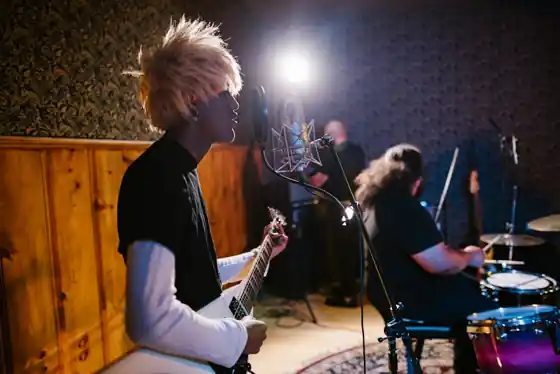
Bali music studios market themselves on equipment, but the format you're tracking matters more. Three formats dominate the bookings on the island.
Vocal tracking. A single vocalist in a treated booth, recorded one take at a time, with the engineer comping in real-time or after. This is the dominant format for solo artists, voice-over work, and the bulk of demo-level production. Most Bali studios cover it well: a quiet isolation room, one condenser microphone, a clean preamp, and a Pro Tools or Logic session are the core. Budget Rp500k–1.2M per hour with engineer. Two hours is the realistic minimum once you factor in setup, warm-up, and the first few takes that always get scrapped.
Full-band recording. Multiple musicians tracking simultaneously, often with a drum room, isolated instrument booths, and headphone mixes for each player. This is where studio choice matters most — you need a drum room with proper acoustic treatment, enough simultaneous inputs (16 minimum, 24 is comfortable), and an engineer who can balance the live mix on the fly. AMPS Music in Denpasar and Aya Studios in Tabanan are the realistic options. Mercury Music handles smaller ensembles in South Kuta. Canggu's inventory is thin for this format. Budget Rp1.5M–3M per hour with engineer; full-band sessions almost never run under four hours.
Mixing and mastering only. No live recording — the artist brings stems from home or a previous session, and the studio handles the mix and master. This is a different booking entirely. You're paying for the engineer's ears, the room's calibration, and the outboard chain, not for live capture. Mercury Music, AMPS Music, and Aya Studios all handle mix-only sessions. Pricing typically runs per-song (Rp1.5M–4M for mix, Rp500k–1.5M for master) rather than hourly. For demos and self-released singles, this is the most cost-effective use of a Bali studio.
The practical takeaway: a studio that ranks at the top for vocal tracking might be the wrong choice for full-band, and vice versa. Confirm the format match before you commit to the booking.
How to book — the step-by-step that works on Bali

1. Confirm rates on WhatsApp, not the website. Music studio sites on Bali lag actual pricing by months. Send a one-paragraph message with your format (vocal tracking, full-band, mix-only), planned hours, date, and the gear or engineers you specifically need. Ask for the total including expected overtime. WhatsApp gets answers within an hour at every Bali studio we've tested; email often takes a day.
2. Lock the slot with a deposit. Verbal holds collapse. Most studios take a Rp500k–2M deposit via Xendit, bank transfer, or QRIS. International cards work at the bigger studios; smaller setups are cash or local-transfer only. For multi-day sessions, expect a 30-50% deposit up front.
3. Ask the engineer's name before the day. This is the single most-skipped step on Bali. The engineer running your session makes more difference than the microphone — they set the gain staging, manage the comping, and shape the rough mix. Studios that won't name your engineer before the booking are studios that don't think the engineer matters. That's a flag, not a flex.
4. Send a brief 48 hours ahead. Genre, reference tracks, song count, vocal range and key, whether you're tracking live takes or layered, and any specific microphone or preamp requests. Two paragraphs is enough. This avoids 30 minutes of setup confusion on arrival, which on a three-hour booking can erase a sixth of your session window.
5. Arrive 20–30 minutes early. Bali traffic varies wildly between 10:00 and 18:00. The buffer also lets you warm up vocally, test the room, and adjust headphone mixes before the meter starts on the booked block. Most studios will let you pre-stage during this window if you ask politely.
6. Plan for the export. Music sessions produce large session files (Pro Tools projects with 40+ tracks routinely run 5–15 GB). Bring a fast external SSD (Samsung T7 or equivalent), and confirm the studio exports in the format you need — WAV multitracks at 24-bit 48 kHz is the default; for full-band masters, 88.2 or 96 kHz might be required. Sorting this on the day costs time you're paying for.
Common rental mistakes — and what they cost
The cheapest quote is rarely the cheapest outcome. Self-serve booths at Rp300–500k per hour look like the obvious win until you realise you also need an engineer (add Rp400–800k per hour to source one externally), a session lead, and someone who knows how to mic up your specific instrument or vocal style. Aya Studios at Rp700k–1.2M with engineer and gear bundled often beats the bare Rp400k booth once you tally the full cost.
The corollary runs in reverse: W Sound Suite at Rp4–6M per hour is the right answer if your finished product sells for $20k+ per unit (a label-backed single, a touring artist's pre-tour session, a paid commission). For a self-released SoundCloud demo, the math doesn't sit. Match the studio tier to the output value, not to your aspirations.
Trusting fresh five-star reviews. Mercury Music Studio has 349 Google reviews — the highest count of any studio on the island, music or otherwise. AMPS Music has 315. Volume of reviews doesn't equal attentiveness on its own: what matters is consistent four-and-five-star ratings older than six months. A studio that holds a 4.9 across 100+ reviews older than two years is a stronger signal than 50 fresh five-star ratings dated in the last 90 days. Sort by date and scroll past the first ten — that's where the real picture lives.
Booking by photos. Music studio Instagrams favour the same three or four shots — a hand on the SSL fader bay, a vintage Neumann under a pop filter, an artist in headphones, a console-back hero shot. The visible kit on social is rarely the kit that runs your booking. Ask by name for the microphone, preamp, or outboard piece you need. "Professional equipment" is not the same as "the U87 you saw on the website."
Ignoring the response rate. A studio that takes two days to reply to a WhatsApp inquiry will take two days to reply to a problem on the day. That's not a service flaw — it's a structural reality. Smaller studios with under 100 reviews and a high reply rate (90%+) are usually more responsive on the day than larger studios with several hundred reviews and a low reply rate.
Niche needs — writing camps, voice-over, multi-day sessions
Songwriting camps and writing residencies. Aya Studios in Tabanan is the named option here — the river-side location and accommodation-on-site combination draws international songwriters running multi-day writing camps. Mercury Music in South Kuta has hosted similar sessions on a more ad-hoc basis. Budget for the residency model, not the hourly model: writing camps typically book five-to-ten-day packages with a flat day rate, accommodation, and meals included. Single-day pricing doesn't apply.
Voice-over for ads, games, and animation. A different beast from music vocal tracking. Voice-over needs a tight, neutral booth (no resonant tail), a broadcast-style preamp, and an engineer who can edit in real time during the session. AMPS Music handles this segment; smaller studios will quote on request. The session structure is also different — short takes, multiple character voices, on-the-spot script edits. Budget for the engineer's directing time as well as the room.
Multi-day rates and album sessions. Like the multi-day pattern we covered in our podcast studio rental guide, music studios on Bali rarely advertise package deals for serial bookings. The largest single-customer bookings we've tracked in the music segment are writing-camp residencies at Aya Studios running over fourteen days. A volume discount of 5-10% is realistic to negotiate when you're booking five or more consecutive days — ask explicitly; it's rarely on the site.
International touring artists passing through Bali. A small but consistent segment. Touring acts with a few days off the road sometimes book Bali sessions for B-sides, vocal redos, or scratch demos. W Sound Suite at W Bali and Bali Praia in Seminyak are positioned for this — full premium setups, fast turnaround, hotel-attached for convenience. The premium pricing is part of the positioning, not a markup.
Engineer-led sessions vs producer-led sessions. Some Bali studios run an engineer-only model (you bring your own producer or self-produce). Others have an in-house producer who shapes the session. The difference matters for newer artists who want creative direction beyond capture. AMPS Music and Aya Studios lean into the producer-led model; smaller rooms are typically engineer-only. Confirm on the call.
When NOT to rent a music recording studio on Bali
Renting a music recording studio on Bali is the right answer for full-band recording, label-level vocal tracking, mixing and mastering for paid releases, and anything that needs an engineer's ear in the room. It's the wrong answer in three specific cases, and we'd rather you spend your budget where it actually moves the needle.
If you're recording a solo demo or scratch vocals for self-evaluation, a Rp3–5M home setup (a quality USB condenser microphone, a treated bedroom corner with foam panels, and a free copy of Reaper) will outproduce most studio booths you'd hire for a one-hour session. The studio fee buys you an engineer and a room; if your demo doesn't need either, it doesn't need the studio.
If you're mixing and mastering only and your home monitoring is reasonable, a remote mix engineer (working in their own treated room, sending revisions over the web) often produces a better result than booking a Bali studio for an in-person mix. The engineer matters more than the room, and a top mix engineer in Berlin or Nashville can outwork a Bali room with a less experienced operator behind the desk. Send your stems out before you commit to a local booking.
If you only need a quick vocal idea captured for a sketch or a voice memo, a phone in a closet full of clothes will outproduce a studio booth for that specific use. Reverb and ambient noise are the killers of a quick capture; a closet kills both for free.
We mention these alternatives because Near Me is paid to send people to studios in the catalog, not to defend studios that don't fit. If your job is one of the three cases above, the catalog has nothing for you — and that's an honest answer, not a sales pitch.
Frequently asked
What's the cheapest music recording studio on Bali?+
Self-serve booths and small writer rooms in Canggu and inside Genesis Creative Centre sit at the bottom of the market — typically Rp300k–500k per hour. The catch is that these tiers exclude an engineer and limit gear to a basic vocal-tracking setup. For a full-service session with engineer and a professional gear list, expect Rp700k and up.
Do I need to bring my own instruments?+
Yes for guitars, basses, and most non-keyboard instruments — Bali music studios generally don't stock a full instrument library. Most do provide a tracked piano or controller keyboard, a basic drum kit at full-band-capable studios, and amp options for guitar players (AMPS Music carries a working amp collection; smaller studios typically don't). Confirm by name before you book.
Can I record vocals only, or do I need to book the full studio?+
Yes, vocal-only sessions are common — most studios will quote a vocal-tracking rate that uses only the booth, one microphone, and the control room. This is typically the lowest hourly tier the studio offers. Plan two hours minimum once you factor in warm-up, mic check, and the first few takes that always get scrapped.
How long should a vocal tracking session be?+
For a single three-to-four-minute song with one vocal lead, plan two to three hours of studio time — 30-45 minutes of setup and warm-up, 60-90 minutes of recording with retakes, 15-20 minutes of rough comping. For an EP or multi-song session, multi-hour blocks make more sense; the per-song cost drops once the booth is dialed in.
Which Bali studio is best for full-band recording?+
AMPS Music in Denpasar and Aya Studios in Tabanan are the realistic options — both have proper drum rooms, enough simultaneous inputs for a full band, and engineers experienced with live tracking. Mercury Music in South Kuta handles smaller ensembles. Canggu's full-band inventory is thin compared to Denpasar; for a serious live tracking session, plan to travel.
Does Bali have studios for mixing and mastering only?+
Yes — Mercury Music, AMPS Music, and Aya Studios all handle mix-only sessions where you bring stems from elsewhere. Pricing typically runs per-song (Rp1.5M–4M for mix, Rp500k–1.5M for master) rather than hourly. For demos and self-released singles, this is often the most cost-effective way to use a Bali studio.
Can I get an English-speaking engineer for a Bali music session?+
Yes — the larger studios staff English-speaking engineers. Aya Studios specifically hosts international songwriting camps, so the team works in English by default. AMPS Music and Mercury Music both handle English-language sessions. Confirm by name when you book; "English-speaking team" is a softer commitment than naming the engineer who will actually run your session.
Are Bali music studios open at night?+
A few are. Most close around 19:00–21:00, but several accept off-hours bookings on request — particularly for touring artists with day jobs or for writing camps running on the artist's clock rather than the studio's. AMPS Music and W Sound Suite handle late sessions more regularly than smaller operators. Ask explicitly when you book.
Keyword cluster
About the author
Philippe Durand· Production Specialist
Independent producer based in Canggu since 2019. Spent the last six years inside Bali's video and podcast studios — first as a hired director, now reviewing them for Near Me. Full profile →
Ready to find a studio?
Browse our full catalog of 17+ Bali studios, or jump to the podcast category.