TL;DR
Starting a podcast studio is two projects: building a room, or booking one until the arithmetic says build. A Bali session costs Rp500k to Rp600k room-only and Rp600k to Rp1.55M with an operator, as of April 2026. A $2,000 build - roughly Rp33M - is about 66 room-only sessions or 21 full two-camera productions. Build when you record weekly and need the room on your own schedule. Book when you do not.
Starting a podcast studio is two different projects
Two projects hide behind the same phrase. One is building a room you record in yourself: a spare bedroom, a corner of a villa, a closet with clothes still in it. The other is opening a studio that other people pay to use. The first is a weekend and a shopping list. The second is a business with a lease, a calendar and staff.
Almost everything ranking for this phrase answers the first question and pretends the second does not exist. Castos runs five steps from room to hosting service. Riverside lists gear by budget tier across roughly 5,500 words. Both are useful. Neither mentions what the room costs to keep, what it earns, or the third option: building nothing and booking a room that already exists.
On Bali that third option is unusually cheap. A treated room with microphones and nobody running the session costs Rp500k at VoxPop Podcast Studio and Aya Studios, and Rp600k for two hours at Villo Studio, as of April 2026. Book one of those before you buy a single cable and you will learn more about what your show needs than any equipment list can tell you. How that booking works is in the podcast room rental guide.
This guide covers both projects. First the build: what it costs, and the point where it stops being the cheaper option. Then the business: what the island's numbers say if you are the one renting the room out, and what the operators here already got wrong so you do not have to.
The gear list is the cheap part of the build
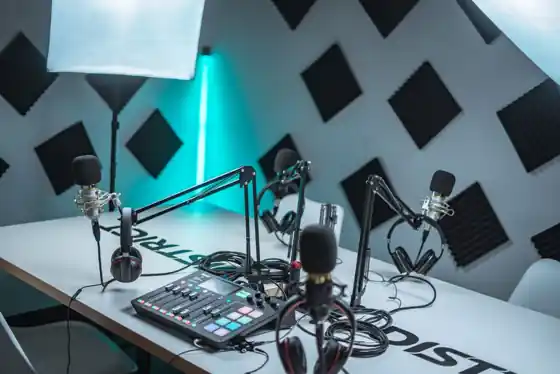
Take the standard equipment list at face value first. Riverside's 2026 breakdown prices a microphone at $119 to $439, headphones at $55 to $179, an audio interface at $99.99 to $199.99, a mixer at $199.99 to $599 if you want one, and cables at $24 to $39. Acoustic panels start at $160.99, bass traps at $191.99, diffusers at $37.99. A computer you probably already own; if not, add $348 to $2,499.
Add that up honestly for two seats and basic treatment and you land around $1,500 to $2,000 before anything is mounted on a wall. That is where the gear guides stop.
Here is what comes after, on this island. Import duty and shipping on anything not sold locally, which is most of it. A room with a door that closes and neighbours who are not pouring concrete this month. Power that holds through a two-hour take. A dehumidifier, because foam panels in a coastal climate absorb moisture and go soft. And the item nobody prices: the hours you spend learning to set gain properly, which you pay for in re-recorded episodes rather than in rupiah.
None of that makes a build wrong. It makes $2,000 the floor rather than the answer, and it is why the comparison further down is worth doing before the shopping rather than after it.
The room decides more than the microphone does
Every studio we have visited had a gear problem that was fixable and a room problem that was not. Bare walls with reverb. A fridge two doors away. Traffic on the Berawa shortcut at exactly the wrong hour.
Across our visits to 17 studios on the island, the three most common noise complaints, in order, are the air conditioner, a rooster outside, and the lift. The air conditioner is the one that catches people building at home. A dynamic microphone will politely ignore a quiet room and then record the compressor kicking in, and Bali is not a climate where you sit through two hours with the AC off unless you planned the session around it.
Treatment and soundproofing are different purchases and get confused constantly. Treatment - panels, a rug, a full bookshelf, clothes on a rail - changes how the room sounds. Soundproofing changes what gets into the room, costs several times as much, and is mostly a construction job. For a podcast, treatment is the one that matters, and a walk-in closet full of clothes beats an empty spare bedroom for nothing.
Pick a dynamic microphone rather than a condenser for the same reason: condensers reward a treated room and punish an untreated one. And count microphones before cameras. A podcast with a guest needs two microphones, plus a lavalier if anyone stands up. A room with three cameras and one usable microphone is a video studio being sold as a podcast studio.
How many sessions a build would have bought
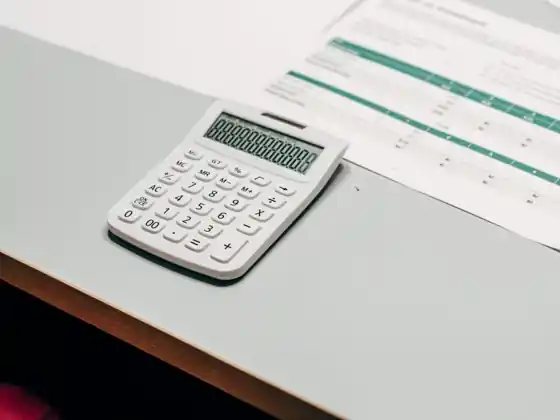
Set the build against the alternative. Two thousand dollars, at the rate implied by Villo Studio's two-camera session (Rp1.55M, about $94, April 2026), is roughly Rp33M. Here is what that buys on the island, using prices collected by phone in April 2026.
Room only, no operator - VoxPop or Aya Studios, Rp500k. About 66 sessions, which is more than one a week for a year.
Room only, two hours - Villo Studio, Rp600k. About 55 sessions.
One camera with an operator - Creators Studio Bali, Rp600k. About 55 sessions, with somebody else pressing record.
One camera with an operator - Genesis Creative Centre, Rp950k. About 34 sessions.
Two cameras with an operator - Villo Studio, Rp1.55M. About 21 full productions, which is a weekly show for five months.
Building wins when you record more often than that, when you need the room at six in the morning, or when the show is your job and a booking calendar is a constraint you cannot live inside. Booking wins in every other case, and it wins hardest at the start, before you know whether the show survives episode ten. The current ladder of rates by studio and camera tier is in the podcast studio rates guide.
What the island's numbers say if you are opening a studio to rent out
About 60,500 foreigners live on Bali at any given time. By our estimate roughly 5% of them ever need a video or podcast service, which is around 3,000 potential clients a year. Our catalog holds 16 studios on the island, so the average studio is fishing in a pool of 3,781 foreigners.
That average hides the whole decision, because the studios are not spread the way the people are. North Kuta - Canggu, Pererenan, Kerobokan - holds 20,500 foreigners and 8 of the 16 studios, which is 2,562 foreigners per studio. Denpasar holds 15,000 foreigners and 3 studios, or 5,000 each. Gianyar, which is Ubud, holds 10,000 and 2 studios, also 5,000 each. South Kuta - Uluwatu and Nusa Dua - holds 12,500 foreigners and 2 studios: 6,250 per studio, the thinnest competition on the island. Tabanan has 2,500 foreigners and one studio.
Everyone opens in Canggu. Half the island's studios are there, competing in the district with the lowest ratio of people to studios. South Kuta has two and a half times the headroom and nobody is fighting over it. That is not proof a studio there will fill - Uluwatu traffic is an argument in its own right, and a client who will not drive 50 minutes is not a client - but it is the only district where the arithmetic is not already against you.
Then the season. Studio revenue on the island runs about 50% above average from October to March, collapses from June to August, and dips again in December for the holidays. A business plan built on March numbers will be wrong by July. Which studios already operate in which district is listed on the podcast studios on Bali page.
The price rise that pushed the average ticket down
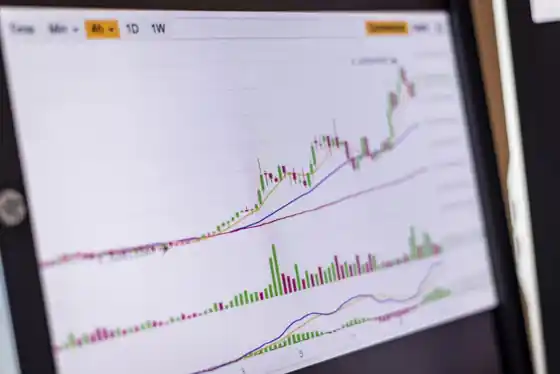
Villo Studio raised its prices by about 30% in February 2025 and expected the average ticket to follow. The average ticket fell by 30% instead, from Rp3.24M in FY25 to Rp2.28M in FY26.
Nothing had gone wrong. Bookings almost doubled, from 381 to 757, and most of the new ones were short single-hour sessions. The mix moved to the low end faster than the price moved up. Total revenue grew while the headline number everyone watches went backwards.
The lesson for anyone setting a rate card: your prices decide which customers show up, and the customers who show up decide your average ticket, not the other way round. If you want a high average, sell products that take longer - on-site shooting at Villo averages Rp4.47M per job and webinars Rp3.81M, against Rp2.28M overall. If you want volume, price the short session properly and accept what it does to the average.
Decide which of those two businesses you are running before you print the rates, because you will get exactly the customers you priced for.
The schedule is the part nobody budgets for
The build is a one-off. The schedule is forever, and it is where small studios lose money they never see leaving.
A schedule kept in a spreadsheet or a WhatsApp thread is not a booking system, and it fails in two specific ways. Double-bookings first: one collision a month costs a session, Rp1M to Rp2M at island rates, which is roughly half a year of what booking software costs. Then leads dying quietly. An enquiry that sits in a chat for three to five days without a tagged follow-up converts below 30%. With a follow-up that actually happens, 50% to 70%.
The scale involved is not large, which is exactly why it slips. Villo Studio has taken 1,138 bookings over 23 months from about 347 unique clients, and 37% of those clients came back for a second session or more. Payments split across two channels - 52% of sessions by local transfer, 35.6% by card online, frequently the same client picking whichever is convenient that week. That is a few dozen conversations a week: small enough to feel manageable in a chat app, big enough to leak.
We have a stake in this part, so take the number rather than the pitch. Tantal built the CRM that Villo runs on, and the write-up is on the Tantal CRM page. Count the collisions you had last month, multiply by the session rate, and decide from that.
When not to start a podcast studio
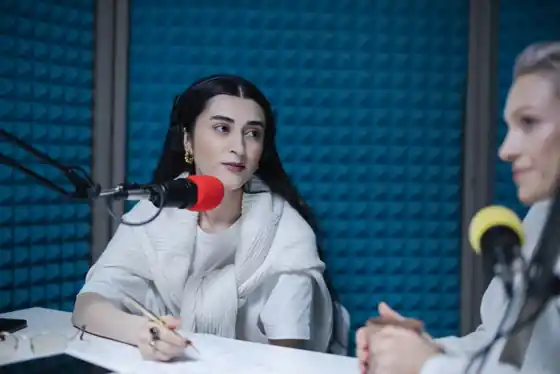
Do not build if you record less than twice a month. Sixty-six room-only sessions is five years of a fortnightly show, and your foam will be soft and your interface superseded long before you get there.
Do not build if the show is audio-only and the format is still moving. A closet with clothes in it and a $119 dynamic microphone is an honest first studio. Everything else is a purchase you make once the show exists.
Do not build here if you do not live here. A treated room ten minutes from your desk in Lisbon beats a better one on Bali that you visit twice a year, and every city has rooms. Castos puts US podcast studio rentals at $60 to $100 an hour, which is roughly the going rate everywhere except here.
And do not open a studio in Canggu because Canggu is where the studios are. Eight of the island's sixteen are already there. If the plan is a business rather than a room, the ratios point at Denpasar and South Kuta, and for a good number of people the honest answer is that renting a room from somebody who already carries the lease is the better trade.
We run an aggregator, so we would rather point you at a studio in the catalog than at a hardware store. If the arithmetic says build, build. Just do the arithmetic first.
Frequently asked
How much does it cost to start a podcast studio?+
Two seats of mid-tier gear plus basic treatment runs about $1,500 to $2,000 using Riverside's 2026 ranges: $119 to $439 per microphone, $99.99 to $199.99 for an interface, acoustic panels from $160.99. On Bali add import duty and shipping on anything not sold locally. Booking a treated room instead starts at Rp500k per session, as of April 2026.
Is it cheaper to build a podcast studio or book one?+
Booking, until you record more than about twice a month. Rp33M - the rupiah equivalent of a $2,000 build - covers around 66 room-only sessions at Rp500k, or about 21 full two-camera productions at Villo Studio's Rp1.55M, as of April 2026.
What equipment do you actually need for a first episode?+
A dynamic microphone, headphones, an interface or mixer with an input for every person in the room, and a room with soft surfaces. Two microphones if you have a guest, plus a lavalier if anyone stands up. Everything else is an upgrade rather than a requirement.
How do you treat a podcast room cheaply?+
Clothes, rugs, a full bookshelf and heavy curtains. Treatment changes how the room sounds and costs very little. Soundproofing changes what gets into the room, costs several times as much and is a construction job. For podcasts, treatment is the one that matters. Switch the air conditioner off while recording - it is the most common noise problem in the studios we visit.
Is opening a podcast studio on Bali a good business?+
It depends entirely on the district. About 60,500 foreigners live on the island and our catalog lists 16 studios, an average of 3,781 foreigners per studio. Half the studios sit in North Kuta at 2,562 each, while South Kuta has 6,250 per studio and only two studios in it. Revenue also runs about 50% above average from October to March and collapses June to August.
How many bookings does a Bali podcast studio take?+
Villo Studio recorded 1,138 bookings over 23 months from about 347 unique clients, with 37% of clients returning for a second session or more. Podcast work was 21.6% of its revenue and talking-head sessions were 55.5%. A studio built for podcasts only is selling the smaller half of the market.
Do I need booking software to run a studio?+
You need something that stops two people holding the same slot and chases enquiries within a day. One double-booking a month costs Rp1M to Rp2M. Enquiries left in a chat thread for three to five days convert below 30%, against 50% to 70% with a tracked follow-up.
Keyword cluster
About the author
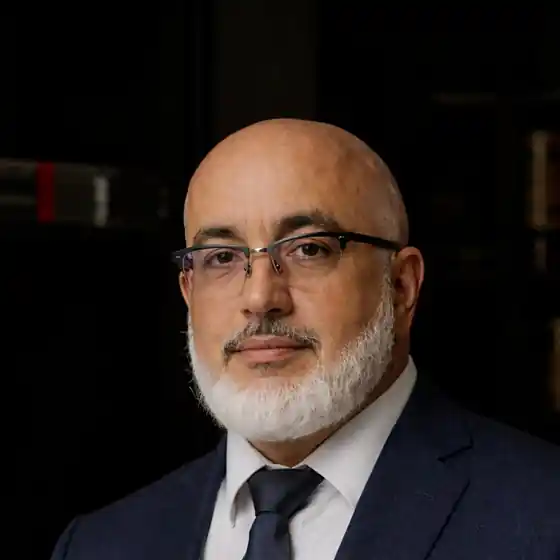
Bernard Moreau· Editor-in-Chief
Editor-in-chief of Near Me. Twenty-five years in French media — most recently at Le Film Français — before moving to Bali in 2017 and turning his attention to the island's production scene. Full profile →
Ready to find a studio?
Browse our full catalog of 17+ Bali studios, or jump to the podcast category.