TL;DR
Ubud holds the smallest recording studio cluster on Bali — roughly six named operators, each with a different brief. Soma Sound Studios runs the island's only SSL 9000J console and books on a project basis. Studio Kubu, Swarapadi, and Studio42 cover the mid-tier music and podcast slots. Prices skew higher than North Kuta because volume is lower (10,000 expats split across two named operators), and the commute from Canggu is 60–90 minutes in afternoon traffic. Right for music projects with a budget that justifies the cost. Wrong if you need a quick podcast slot and aren't already in the area.
How much does a recording studio in Ubud cost?
Recording studio pricing in Ubud sits in three honest tiers. Numbers are from operator pages and our April 2026 phone calls; ask before booking, things move.
Premium music — Rp4M+ per session day or quoted. Soma Sound Studios runs Studio A around their SSL 9000J series console and a Neumann/AKG mic locker. They don't post public day rates; the format is project-based booking for full-band, orchestra, or gamelan sessions, and quotes typically open north of Rp4M per session day depending on the engineer and gear list. This is world-class music recording priced like world-class music recording. If you've never booked a studio with an SSL desk before, the rate per day reflects the room, the analog signal path, and the engineer time you're buying.
Mid-tier music — Rp1.5M to Rp3.5M per session. Studio Kubu (Ubud, rice-paddies setting) and Swarapadi Recording Studio (7 minutes from Ubud town, attached to a villa property on Jl. Tirta Tawar in Junjungan) sit here. Sessions book in half-day and full-day blocks; specific pricing typically comes back on inquiry. The format works for solo artists, duos, and small bands tracking demos, EPs, or session work where you want the room and the engineer but don't need an SSL desk.
Podcast and video — Rp1.5M to Rp3.5M per slot. Studio42 Ubud quotes Rp3.5M for a 2-hour 3-camera podcast session — the only published rate from a dedicated Ubud podcast operator, and one of the higher per-hour rates on the island. Ubud Creative House (5.0★ / 12 reviews) sits in a similar range with a smaller named footprint. For podcast work specifically, Ubud rates run noticeably higher than the equivalent North Kuta operators — Genesis Creative Centre at Rp1.25M for 3-cam, ICON MEDIA at Rp1.9M — because the geography and the volume don't push prices down.
The pattern: Ubud doesn't have a budget tier. The cheapest serious recording slot in the area starts where North Kuta's mid-tier sits. Studios here are positioned for the project that values the setting and the air, not for the podcaster fitting an episode in after work.
What Ubud studios add — and what they don't
The question worth asking first is what you actually gain by recording in Ubud instead of the Canggu cluster. The answer sits in three areas, and one of them is more practical than the other two.
Atmosphere, the genuine version. Studios in Ubud are typically built into compounds with trees, gardens, or rice paddies in immediate visual range. Soma Sound's compound sits in cultural Ubud; Studio Kubu writes openly about the rice paddies and coconut groves around its room. The setting changes how the day actually feels — fewer scooter horns in the recording window, less afternoon thermal noise off concrete buildings, and a commute home that doesn't end in a 20-minute crawl on Jl. Batu Bolong. Some artists value this enough to pay the premium; some don't. The difference matters most on multi-day projects where the people in the room are tired by day three.
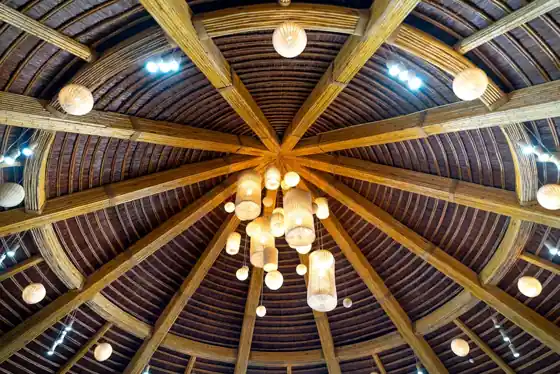
Acoustic isolation, by accident. Most Ubud studios sit inside larger compounds with garden buffer from neighbouring buildings. Roof construction tends to be heavier (traditional bamboo or wooden beams rather than the corrugated metal still common in Canggu villa conversions). The cumulative effect is genuinely quieter rooms with cleaner low-frequency floors — not a marketing claim, an architectural artefact.
Reduced slot pressure. Ubud studios book at a slower cadence than the Canggu cluster. Last-minute weekend slots are usually available; Soma's full-week residency model is the structural inverse of Canggu's hourly hustle. For artists who want to plan a recording trip rather than fit a studio session around a tight Bali schedule, this is the meaningful operational difference.
What Ubud doesn't add: faster commutes from Canggu (it's 60–90 minutes in afternoon traffic), cheaper rates (the opposite), a bigger English-language podcast-guest pool (most podcast guests live in Canggu and Seminyak), or quicker turnaround on edited deliverables. Ubud is structurally further from the supply chain of post-production freelancers and gear rental, which means edit turnarounds typically run 1–2 extra days compared to North Kuta operators.
Ubud recording studios worth knowing
Six named operators sit in or around Ubud. Each occupies a different brief, and confusing them is the most expensive mistake in this niche.
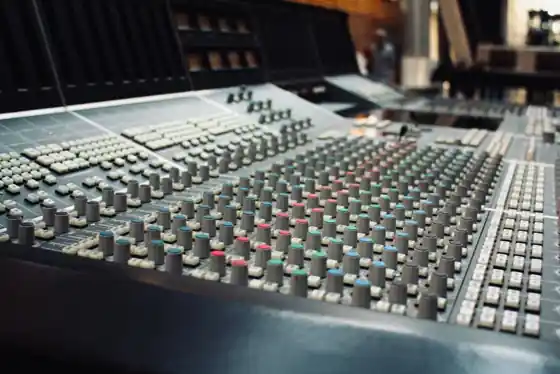
Soma Sound Studios — world-class music tracking. Studio A runs an SSL 9000J series console with a full Neumann/AKG mic locker and rooms tuned for drums, full bands, and orchestral sessions. The booking model favours multi-day residencies (Soma has hosted artists on week-long retreats) and project pricing over hourly rates. The second studio (Studio B, smaller production room) handles pre-production, songwriting, and electronic music tuition. This is the operator that puts Ubud on the global music recording map; nobody else on Bali runs a console of this calibre.
Studio Kubu — mid-tier music and atmosphere. Built into a compound surrounded by rice paddies and coconut groves; pitches itself on serene environment and Indonesian craftsmanship in the room build. Mid-tier pricing, suited for solo and small-band tracking. Available rates typically come back on inquiry rather than from the public site.
Swarapadi Villa & Recording Studio — the recording-and-stay model. Sits 7 minutes from Ubud town on Jl. Tirta Tawar in Junjungan. Combines a working recording studio with on-site accommodation (premiere rooms and a honeymooner suite). The structural pitch is the bundled stay: artists who fly in for a week of writing or tracking sleep where they record. Few operators on Bali offer this combination; it's the closest thing the island has to a producer's retreat.
Studio42 Ubud — dedicated podcast and video. The only podcast-and-video focused operator in Ubud at meaningful scale. Quotes Rp3.5M for a 2-hour 3-camera session — premium pricing for the format, but the only Ubud option if you specifically need a podcast setup with multiple cameras and modern lighting. GMaps rating sits at 5.0★ across 7 reviews — small sample, consistently positive.
Ubud Creative House — smaller, mid-tier, well-reviewed. 5.0★ across 12 reviews on Google Maps; covers a mix of recording and creative production work. Smaller footprint than Soma or Studio42, but worth a call for project-specific quotes.
TheNYX — eco-village artist residency. About 30 minutes north of Ubud proper, in an eco-village format with bamboo construction and a co-living component. Books on a minimum one-week residency model rather than session by session. Not relevant for one-off recording bookings; structurally relevant if you're planning a writing or tracking trip of a week or more.
Two more names — Ubud IO Recording Studio and a handful of music-tuition rooms attached to villas — operate at the margins. They take Facebook DMs rather than running booking calendars and don't appear in our caller logs at any depth.
Ubud vs Canggu vs Denpasar — which cluster to book
Where you book on the island matters more than which specific studio you book. The three clusters differ in pricing, format dominance, and operational reality.
Canggu (North Kuta) — the volume cluster, podcast-led. Eight studios across 20,500 expats; the densest cluster on the island. Genesis Creative Centre (Rp1.25M / 3-cam, 313 GMaps reviews), VoxPop (Rp1.495M / 3-cam, 30 reviews), and Villo Studio (Rp1.65M / 3-cam, 128 reviews) lead by volume. Format dominance is podcast and video for English-speaking creators. Hourly bookings, last-minute slots possible. The cluster is built around the podcast-guest supply chain — most expat podcasters and their guests live within 15 minutes.
Denpasar — the mid-tier cluster, mixed format. Three named operators across 15,000 expats. ICON MEDIA (Rp1.9M / 3-cam), HypeHunters (Rp3.8M / 3-cam, premium tier), and the self-photo cluster we covered separately. Denpasar is the local-customer-base cluster; rates are competitive and walk-up availability is realistic.
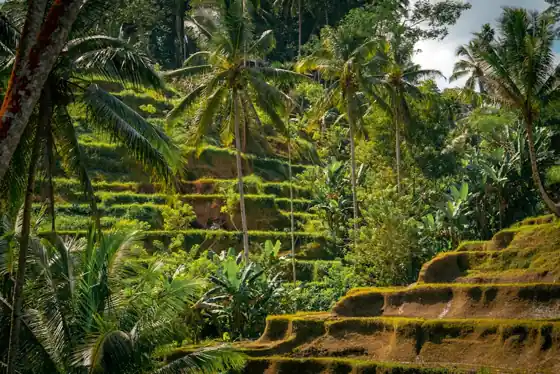
Ubud (Gianyar) — the small cluster, music-led and premium. Two main podcast/creative operators (Studio42, Ubud Creative House) plus the music-recording specialty venues (Soma, Studio Kubu, Swarapadi, TheNYX). 10,000 expats split across the catalogue — roughly 5,000 per named studio. That's nearly double the per-studio expat density of North Kuta (2,562), which translates structurally into less price pressure and higher per-session rates.
Practical implication: if your project is podcast-led, English-speaking, and time-constrained, Canggu is the structural fit. If you need premium music tracking (full bands, multi-day residencies), Ubud is the only Bali cluster that genuinely supports it. If you're price-sensitive on a quick photo or recording job, Denpasar is the right cluster. Ubud is rarely the right answer if you don't already live there or aren't planning a multi-day trip.
The geographic friction is asymmetric. A Canggu-based creator booking an Ubud studio loses 60–90 minutes each way in afternoon traffic; an Ubud-based artist booking a Canggu studio loses the same. For one-shot sessions, the friction usually beats the perceived benefit. For multi-day projects, the friction amortises.
How to book an Ubud recording studio — step by step

Step-by-step, here's how a typical Ubud studio booking unfolds.
1. Decide the format before contacting anyone. Music recording, podcast/video, or hybrid? Soma and Studio Kubu handle music; Studio42 handles podcast and video; Swarapadi handles music with a stay attached. Sending "I need a studio for a project" to multiple operators wastes the room. "Two-day music tracking session, drums plus vocals, three artists" gets a usable quote.
2. Contact via WhatsApp or the site form, not Instagram DM. Ubud studios at the serious end are typically run by founder-engineers who answer business contacts through their site forms or WhatsApp business lines. Instagram DMs run slower (often 24–48 hour response). For Soma, use the site contact; for Studio42 and Studio Kubu, the WhatsApp number on the listing is the right channel.
3. Provide dates with a 2-day flexibility window. Ubud's volume is lower than Canggu, but premium slots (full studio plus engineer) for Friday and Saturday book out 2–3 weeks ahead. Sending three candidate dates rather than one increases the chance of an immediate confirmation.
4. Confirm deposit terms in writing. Most Ubud operators ask for a 30–50% deposit by international card or local transfer to lock the slot. Soma typically structures the deposit around project value rather than the standard hourly model; Studio42 and the mid-tier operators follow the standard Bali deposit (Rp500k–Rp1M).
5. Plan the transit, not just the session. A 10am Friday session at Soma from a Canggu base means leaving at 8:30am at the latest. Build the commute into the day rather than treating it as a flexible margin — afternoon return traffic into Canggu can hit 90 minutes on a Friday.
6. Get the gear list and the engineer's name in writing. Premium music studios rotate between projects — which mics are in rotation, which engineer is available on which dates. For Soma in particular, "the SSL 9000J room with [named engineer]" should be in the confirmation email. If it isn't, ask.
Common mistakes booking Ubud — and what they cost
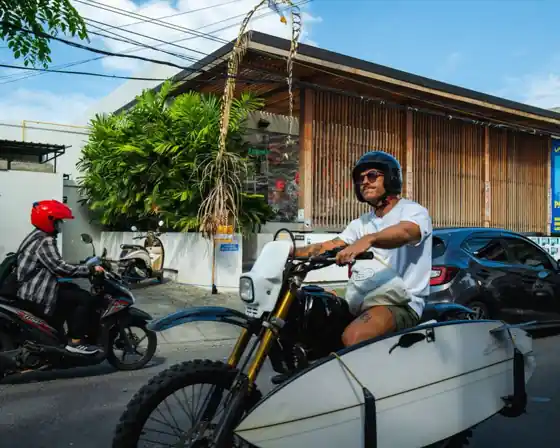
Booking Ubud for a 1-hour session. The geographic friction breaks the format. A 1-hour podcast booking at Studio42 from a Canggu base is a 4-hour total day commitment (commute, session, commute, decompression). The same booking at Genesis in Canggu is a 90-minute commitment. Ubud is structurally a half-day or multi-day venue; treating it as a quick hourly slot is the most common new-arrival mistake.
Ignoring rain-season acoustic interference. From November to March, heavy afternoon rain on traditional Ubud roof construction adds noticeable low-frequency rumble to recordings. Most Ubud studios have isolation good enough to manage it, but timing critical takes during a downpour is asking for a retake. Local engineers book around the rain window; expats often don't.
Treating Soma like Studio Kubu. Confusing the brief between operators is expensive. Soma's pricing reflects the SSL 9000J console, the engineer time, and the room tuning — it isn't interchangeable with a mid-tier studio running a Mac and a Universal Audio interface. If you don't need an SSL desk and don't have a project that justifies the day rate, Studio Kubu or Swarapadi is the structural fit, not Soma. We say this openly because we'd rather you book the right room than the most expensive one.
Forgetting the post-production tail. Ubud's distance from the Canggu freelance pool means the audio engineers, video editors, and colourists you'd hire locally are 60+ minutes away. Multi-day Ubud projects with a Canggu-based editor can lose two days of edit turnaround to round trips. Either book a local post-production hand or build the timeline assuming everything lands a few days later than the Canggu equivalent.
Skipping the engineer interview. Premium music studios live or die by the engineer on the day. Ask who's running the session, what they've worked on recently, and whether they have experience with your specific format (drums vs vocals vs orchestral). A Soma session with a different engineer than the one you spoke with during lead-up is structurally a different session — clarify in writing.
When NOT to book a recording studio in Ubud
Ubud is the right cluster for music-led projects, multi-day residencies, premium podcast bookings where the atmosphere matters, and artists already living in or near Ubud. It is the wrong cluster in four specific cases, and we'd rather you save the trip than spend it on a venue that doesn't fit.
If your project is a single 60-minute podcast episode with one English-speaking guest who lives in Canggu — book Genesis, VoxPop, or Villo in North Kuta. The Ubud premium isn't justified for that brief, the commute eats your morning, and the podcast-guest supply chain is closer to where your guest already is. Our podcast studio rental guide covers the North Kuta operators that match.
If you need a self-photo studio or a quick portrait session — Ubud has nothing dedicated as of April 2026. The format hasn't reached the area. Both formats sit in Denpasar (see our self-photo guide) or in the Canggu and Seminyak photo studio belt.
If you're price-sensitive and the project is genuinely entry-level — a first podcast episode, a demo recording on a tight budget, a single-camera content piece — Ubud's pricing structure punishes price-sensitivity. The cheapest serious option in the area starts where North Kuta's mid-tier sits. Choose the cluster that matches the budget rather than paying the Ubud premium for a format that doesn't need it.
If you have a same-week deadline and need certainty of slot — Canggu's volume cluster has the structural advantage. Ubud's full-engineer premium slots book 2–3 weeks ahead at the top of the range. A 48-hour-notice premium Ubud session is possible but not reliable; the same session in Canggu is routine.
We list these mismatches because Near Me's job is to send people to the cluster that fits, not to talk every reader into the most expensive bookings on the island. If your situation is one of the four cases above, the Ubud cluster is the wrong shape for the project — and that's an honest answer, not a sales pitch.
Frequently asked
Is Soma Sound Studios actually world-class?+
Yes on the technical side. The SSL 9000J console plus the Neumann and AKG mic locker is the gear inventory of major-label rooms in Los Angeles and London. The room tuning, the engineer team, and the project-pricing model match that positioning. The honest qualifier: world-class gear doesn't substitute for the right project. A solo singer-songwriter tracking a demo doesn't need an SSL desk; an electronic producer doesn't need the analog signal path. Soma is world-class for the projects that match its brief.
Can I find a recording studio in Ubud for under Rp1M per session?+
Not at the named operators. Studio Kubu, Swarapadi, and Studio42 typically quote from Rp1.5M and up. Below Rp1M sits in the hobbyist or villa-conversion category — small rooms inside homes or community spaces, often unlisted. If under Rp1M is the budget, the cluster to book is Denpasar or the North Kuta budget operators rather than Ubud.
How far is Ubud from Canggu by scooter in real traffic?+
60–90 minutes door-to-door in afternoon and evening traffic, 45–60 minutes outside peak hours (early morning, late evening). The variability is wide: a Friday afternoon return can hit 90 minutes, an early Sunday morning departure can hit 45. Plan for the high end and you won't be wrong often.
Do Ubud studios operate during Galungan and Nyepi?+
Most Ubud studios shut for Nyepi (the Day of Silence — March, dates set by the lunar calendar) and operate at reduced hours during Galungan. The cultural calendar applies more strictly in Ubud than in the expat-heavy Canggu belt. Confirm operating hours if you're booking around those dates.
Do Ubud studios have English-speaking engineers?+
Mixed. Soma, Studio42, and Swarapadi routinely have English-capable staff; smaller operators may default to Bahasa Indonesia and switch on request. For a music recording session where you need to direct the engineer in detail, confirm the language in writing before locking the dates.
Can I record a full band in Ubud?+
Yes — Soma Sound Studios is the structural answer for full-band tracking, with rooms tuned for drums, multiple instruments, and orchestral sessions. Studio Kubu and Swarapadi can handle smaller ensembles (acoustic groups, duos, trios). For a band larger than five with a full drum kit, Soma is the only Bali operator with rooms genuinely sized for the brief.
Keyword cluster
About the author
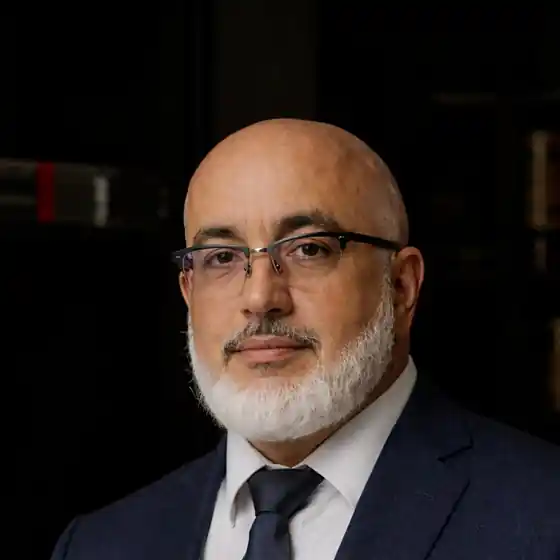
Bernard Moreau· Editor-in-Chief
Editor-in-chief of Near Me. Twenty-five years in French media — most recently at Le Film Français — before moving to Bali in 2017 and turning his attention to the island's production scene. Full profile →
Ready to find a studio?
Browse our full catalog of 17+ Bali studios, or jump to the podcast category.