TL;DR
Renting a live streaming studio on Bali comes in two products: a room-only rental from about Rp500k-600k for two hours if you run the broadcast yourself, or a crew-included session that climbs to Rp3.8M for a three-camera setup with an operator, as of April 2026. The number that decides the outcome is not the room - it is the upload: a wired connection, a hardware encoder and a 4G backup line, because a good-looking room on cafe wifi will still drop your stream. Expect a Rp500k-1M deposit, a two-hour minimum, and rates about 50% higher from October to March. Book direct over WhatsApp - the US marketplaces that own the 'live streaming studio rental' search have almost no Bali inventory.
What a live streaming studio rental includes on Bali
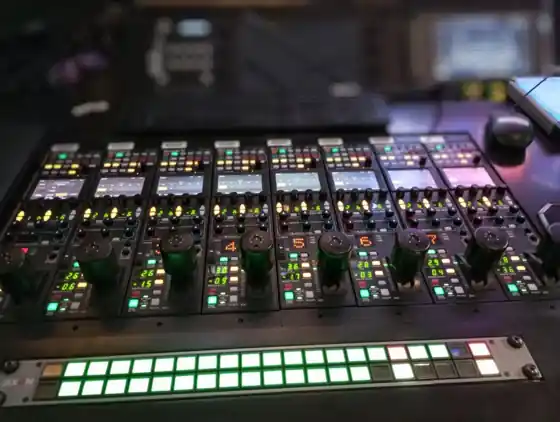
A live streaming studio rental gets you a treated room plus a broadcast chain: one to three cameras, lavalier or table microphones, lighting, a switcher that cuts between cameras live, a hardware encoder, a wired internet upload and a return monitor so you can see the feed going out. That last group - switcher, encoder, wired upload - is what separates a streaming rental from a plain video or podcast room.
Most rooms on Bali are built to record, where a mistake gets fixed in the edit later. A streaming room has to get it right live, in one pass, with no undo. That single difference is why the checklist further down matters more here than it would for a normal shoot.
What is bundled and what is billed extra varies by studio. On the US marketplaces that rank for this search, a fully-equipped streaming room lists mics, lights, an audio interface, a large screen for slides and high-speed internet, then sells the live-stream broadcast service and an on-site technician as add-ons - about $100 for the broadcast and $75 an hour for the technician, checked July 2026. Bali studios usually bundle the technician into the operator rate instead, which is why the two rental models below price so differently. Our streaming studios category lists the rooms that actually broadcast, not just record.
Two ways to rent: room-only or with a crew
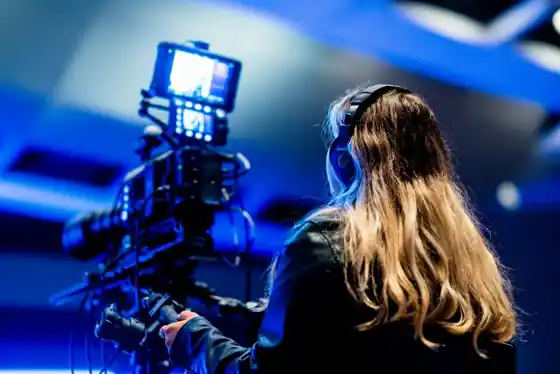
Every streaming rental on Bali is one of two products, and the price gap between them is the operator.
Room-only gives you the room and the gear; you bring the person who runs the stream. It is the cheapest way in - Villo Studio rents its room without an operator for about Rp600k for two hours, VoxPop and Aya Studios around Rp500k, as of April 2026. It works only if you, or someone you hire, can run a switcher, hold audio levels and reconnect a dropped line while you are also on camera. On a live broadcast that is a real job, not a background task.
Crew-included puts the studio's operator behind the desk: camera cuts, audio, the encoder, and the reconnect if the upload drops. This is most of the price ladder. As of April 2026: Genesis Creative Centre runs Rp950k to Rp1.25M across one to three cameras, Villo Rp1.25M to Rp1.65M, On Air Studio Rp1.4M for three cameras, ICON Media Rp1.9M, and HypeHunters Rp3.8M for a three-camera setup. The average two-camera rate on the island sits around Rp1.25M.
The practical rule: room-only roughly halves the cost and doubles your risk, because a live stream has no second take. If the broadcast matters, pay for the operator. Our video shoot studio rental guide covers the same two models for recorded video, where the risk math is gentler.
The checklist: verify the pipe, not the sofa
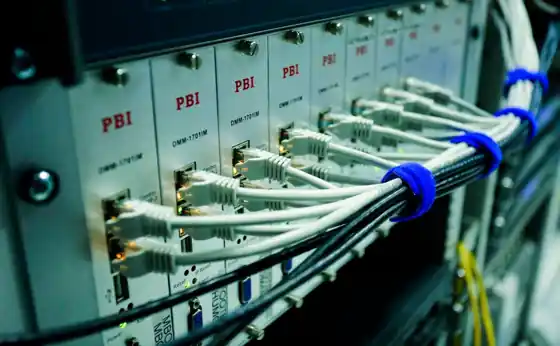
Here is the one strong opinion on this page: when you rent a live streaming studio, you are renting an upload pipe and an encoder, not a pretty room. Streaming is a specialist product - it is only about 4.1% of Villo Studio's revenue by volume, yet the webinar average check is Rp3.81M, well above the Rp2.28M all-service average. You are paying a premium for broadcast capability, so verify the capability before you sign, not the coffee corner.
Five lines to confirm in writing before you book:
Wired upload, not wifi. Ask for the upload speed on a cable and whether there is a 4G or 5G backup line for when the fibre drops. Cafe-grade wifi is the single most common reason a Bali stream stutters.
A hardware encoder, or a dedicated machine running one. This is what turns three cameras and a microphone into a clean stream to YouTube, Zoom or a custom RTMP address.
A live switcher if you want multi-camera cuts during the broadcast rather than in the edit afterwards. Without one, room-only multi-camera is just multiple recordings.
A return monitor so you, on camera, can see exactly what your audience sees - the difference between catching a frozen slide in real time and hearing about it afterwards.
Night slots. Only two to three of the sixteen studios on the island offer regular late-evening slots. If your audience sits in another timezone, confirm the studio will be open at your broadcast hour before you pay a deposit.
What a live streaming studio rental costs on Bali

Prices split cleanly by the two models above, all as of April 2026.
Room-only: about Rp500k to Rp600k for two hours - Villo Rp600k, VoxPop and Aya around Rp500k. You run the broadcast.
Crew-included, by camera count: Genesis Rp950k (one camera), Rp1.1M (two), Rp1.25M (three); Villo Rp1.25M / Rp1.55M / Rp1.65M; On Air Rp1.4M for three cameras; ICON Media Rp1.9M for three; HypeHunters Rp3.8M for three; Studio42 in Ubud at Rp3.5M for a two-hour block. The average two-camera session lands around Rp1.25M.
Put that next to the search results. On the US marketplaces that own the phrase 'live streaming studio rental', rooms run roughly $50 to $125 an hour, climb to $100-500 in New York, and start near $25 an hour for the smallest spaces - plus about $100 for the broadcast service and $75 an hour for a technician, checked July 2026. Converted, a crew-included Bali session at Rp1.25M is around $76 all-in with the operator, which undercuts a US room-plus-technician before you have added the broadcast fee.
One seasonal note: October through March is peak on Bali, and studio revenue runs about 50% above average in those months. A July booking has more room to negotiate than a January one.
Deposits, minimums and how booking works
The mechanics of a streaming rental on Bali are consistent across studios, and knowing them stops the small surprises.
Deposit. Rp500k to Rp1M to hold a slot is standard, and it is a good sign rather than a red flag - it means the schedule is real and the studio works with committed clients. Confirm in writing what happens to it if you move the date.
Two-hour minimum. Normal, not a trick. Setup for a live broadcast - cameras, audio, encoder, a connection test - eats twenty to thirty minutes before you go live, so an hour-long slot rarely leaves room for the actual stream.
Cancellation. The US marketplaces publish a clean rule - a full refund if you cancel within 24 hours of confirming, provided there are more than 48 hours before the start. Bali studios set their own terms, so ask for them in writing before you pay.
How to book. Message the studio directly on WhatsApp, state your broadcast platform and start time in their timezone, and get the streaming specs from the checklist above confirmed in the same thread. A booking that names the upload speed and the encoder in writing is a booking that will not surprise you on the day.
Multi-day and series blocks
If your stream repeats - a daily webinar week, a multi-day online conference, a live workshop series - do not book it session by session. Ask for a block rate. Almost none of the sixteen studios advertises one, but a 5 to 10% discount on a multi-day block is normal once you ask, and locking the same room for the run removes the daily setup and the risk of losing your slot mid-series.
The pattern is proven on the recording side. The largest single booking on record at one Canggu studio was fourteen consecutive days at Rp24.96M in total - about Rp1.78M a day - for a podcast series shot daily with different guests. The same arithmetic works for a streaming run: hold the room for the whole series, negotiate the block, and you pay a per-day rate instead of a premium per-session one. For a course creator running a five-evening launch, that is the difference between five full-price bookings and one negotiated week.
Marketplaces versus booking direct on Bali
Search 'live streaming studio rental' and the first results are Giggster and Peerspace - global booking marketplaces listing rooms in Los Angeles, New York, San Diego and Provo, Utah. They are well built and they publish real US rates. What they do not have is Bali inventory. A searcher physically on the island scrolls through American cities and finds almost nothing local.
That is the gap this guide fills, and it points to a simple move: book direct. Once you have a Bali studio's name from a map search, its WhatsApp is one message away, and the direct number gets you a firmer quote, the streaming specs in writing and no commission layer between you and the operator who will run your broadcast. A marketplace markup buys convenience you no longer need the moment you have the studio's contact.
If you are still working out which district to search from, our live streaming studio near me guide maps the studios by area, and the webinar studio guide goes deeper on the format itself.
When not to rent a live streaming studio

Three cases where the honest answer is to keep your money.
If you are running a solo webinar with no live audience in the room and a single camera, a USB microphone, a ring light and a browser tool like Riverside or StreamYard from home will beat a rushed studio hour. A studio earns its rate on the multi-camera show with guests, live switching and a real broadcast risk - not on one person talking to a laptop. Save the rental for the stream that needs it.
If you are not on Bali, this whole market is in the wrong place. The international marketplaces are the right tool for your own city - budget against their roughly $50 to $125 an hour, not the Bali rates on this page.
If your broadcast is location-led - an event, a stage, a venue - hire a travelling crew with a portable streaming kit rather than a fixed studio room. A room cannot come to the venue.
We put this section in every guide because a studio's own site will never tell you when to skip it. Near Me makes its money by pointing people to the option that fits, and sometimes that option is a ring light and the money left in your pocket. When it is a studio, the rates above are current as of April 2026, and the first thing to confirm in writing is the upload. Our studio catalog filters the rooms by district and price.
Frequently asked
How much does a live streaming studio rental cost in Bali?+
Room-only rental runs about Rp500k-600k for two hours if you run the broadcast yourself (Villo Rp600k, VoxPop and Aya around Rp500k, as of April 2026). Crew-included sessions with an operator range from about Rp950k for one camera up to Rp3.8M for a three-camera setup, with the average two-camera session near Rp1.25M.
What is the difference between renting a room and renting with a crew?+
Room-only gives you the space and gear for about Rp500k-600k per two hours, but you supply the person who runs the switcher, audio and encoder live. Crew-included puts the studio's operator behind the desk and makes up most of the Rp950k-3.8M price ladder. A live stream has no second take, so if the broadcast matters, pay for the operator.
What should I check before booking a live streaming studio on Bali?+
Verify the upload before the room: a wired connection with a stated speed, a 4G or 5G backup line, a hardware encoder, a live switcher for multi-camera cuts, and a return monitor so you see what airs. If your audience is in another timezone, confirm night slots - only two to three of the sixteen studios on the island offer them regularly.
Do Bali live streaming studios take a deposit?+
A deposit of Rp500k to Rp1M to hold a slot is standard and a good sign - it means the schedule is real. A two-hour minimum is also normal, because setting up cameras, audio, an encoder and a connection test before going live eats twenty to thirty minutes. Confirm the deposit and cancellation terms in writing before you pay.
Can I book a studio for a multi-day streaming series?+
Yes, and you should ask for a block rate rather than booking session by session. Almost no studio advertises one, but a 5-10% discount on a multi-day block is normal when you ask. One Canggu studio's largest booking was fourteen consecutive days at Rp24.96M total, about Rp1.78M a day - the per-day rate beats stacking premium single sessions.
Should I book through Giggster or Peerspace for a Bali stream?+
Those marketplaces own the 'live streaming studio rental' search, but they list rooms in US cities and have almost no Bali inventory. Find the studio on a map, then message it directly on WhatsApp - the direct booking gets you a firmer quote, the streaming specs in writing and no commission layer between you and the operator.
Do I need a studio for a solo webinar?+
Often no. For a solo webinar with one camera and no live in-room audience, a USB microphone, a ring light and a browser tool like Riverside or StreamYard from home will beat a rushed studio hour. A studio earns its rate on the multi-camera show with guests and live switching, not on one person talking to a laptop.
Keyword cluster
About the author
Philippe Durand· Production Specialist
Independent producer based in Canggu since 2019. Spent the last six years inside Bali's video and podcast studios — first as a hired director, now reviewing them for Near Me. Full profile →
Ready to find a studio?
Browse our full catalog of 17+ Bali studios, or jump to the podcast category.