TL;DR
Bali video editing splits into four honest tiers. DIY on CapCut or Premiere costs Rp0–Rp500k for a software license and your own time. Local freelance editors charge Rp600k–Rp1.5M per finished talking-head video, Rp2M–Rp4M for multi-cam brand cuts. Studio editors who shot the footage charge Rp1.2M–Rp3M with locked scope. Production houses with full creative direction charge Rp4M–Rp15M for commercial brand reels. Pick the studio editor when the same operator shot the footage — it eliminates the scope-ambiguity that drives most overruns. Pick a freelancer for recurring weekly work where you can build a relationship. Hire a production house only when the deliverable funds a recognisable brand campaign.
How much does video editing cost in Bali?

Bali video editing breaks into four honest tiers, and the tier matters more than the headline number. We're publishing concrete prices because the top-3 search results on this topic don't — and pricing opacity is the single biggest source of project overrun in this market.
DIY tier — Rp0 to Rp500k. CapCut Pro at Rp200k per month, Adobe Premiere at Rp350k per month, DaVinci Resolve free with paid Studio at Rp4M one-time. The cost is your time, not the software. A 5-minute talking-head video takes 8-12 hours of editing for someone new to the craft, 3-5 hours for someone with 100+ hours of practice. For a one-off vlog or a 60-second Instagram clip, DIY wins. For anything that pays you back commercially, the time cost rarely sums.
Local freelance tier — Rp600k to Rp1.5M per finished video. This is where the Bali editor market is most crowded and most variable. A 5-10 minute talking-head edit (clean cuts, basic colour correction, music bed, lower-thirds) sits at Rp600k–Rp1.2M for a competent local editor. Multi-cam brand cuts with cutaways, motion graphics, and a polished mix run Rp2M–Rp4M. Sortlist lists dozens of Bali-based editing freelancers; quality varies by 3× across the same price band. Ask for a sample edit from the last 60 days, not a showreel.
Studio editor tier — Rp1.2M to Rp3M per video. Villo Studio's video editing service runs at 7.1% of total revenue as a separate upsell line — meaningful enough that the studio runs a dedicated editor pipeline. The advantage: the same operator who shot the footage edits it, so the scope is locked at brief stage and there's no "can you also add subtitles?" 48-hour-after-delivery email. Genesis Creative Centre (4.8★ / 313 reviews) and ICON MEDIA Kerobokan run similar in-house edit lines. Expect Rp1.2M–Rp1.8M for a single talking-head, Rp2M–Rp3M for multi-cam brand.
Production house tier — Rp4M to Rp15M per video. Full creative direction, motion graphics suite, sound design, colour grading by a specialist colourist, full revision rounds. HypeHunters Production in Denpasar (5.0★ / 22 reviews) runs at this tier. The price covers shoot, edit, music licensing, and brand-quality output. Only sums when the deliverable funds itself — a recognisable brand campaign, a launch video for a paid product, a course episode in an 8-12 part series. For a one-off marketing video, the production-house tier is overbuilt.
What "video editing" actually includes — the line items
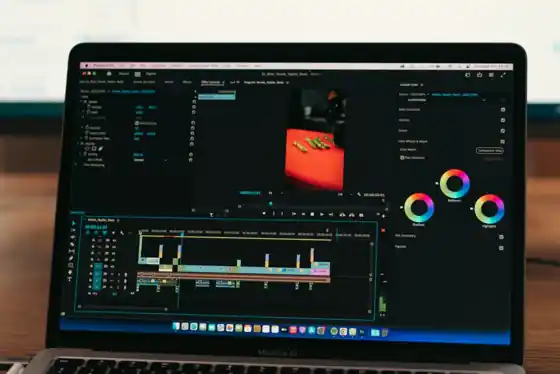
"Video editing" is a label that covers six distinct services. Operators bundle them differently, and the bundle drives the price. Knowing the vocabulary lets you read a quote.
Cut and sequence. The base layer. Trimming raw footage to a sequence that tells the intended story, matching audio across cameras, removing umms and pauses. For a 10-minute talking-head with 30-40 minutes of raw, this takes 3-6 hours. Always included in any quote — if it's not, you're not getting an editor, you're getting a project manager.
Colour correction vs colour grading — they're different. Colour correction fixes exposure, white balance, and skin tones so the footage looks like real life. Colour grading applies a creative look — film emulation, brand palette, mood. Correction is 30-60 minutes per finished minute and is usually included. Grading is 1-3 hours per finished minute and is usually an upsell. Confirm which one you're getting before paying.
Audio mix and music licensing. Cleaning dialogue, removing background hum, balancing levels, adding a music bed. Music licensing is the trap — a track from Epidemic Sound or Artlist is Rp80k–Rp200k per use; a track pulled from YouTube without a license is a Content ID claim waiting to happen. For commercial work the music license is non-negotiable; the editor should provide the receipts.
Motion graphics and titles. Lower-thirds, animated logos, kinetic typography, animated transitions. A clean lower-third pack adds Rp200k–Rp500k to a video; a full motion graphics treatment with custom animation adds Rp1M–Rp3M. Worth it for course content and brand work where the production value compounds across episodes.
Subtitles and captions. Auto-generated via Premiere or Descript, then corrected for accuracy. SRT file delivery is standard; burned-in captions cost extra (Rp150k–Rp300k per video) because they require a second pass through colour. For social-media-led briefs, captions are a baseline expectation, not an upsell.
Revisions — the line item people forget. Standard scope is 2-3 rounds of revision. Round 4 onwards costs Rp300k–Rp800k per round depending on complexity. The single biggest source of editor-client disputes on Bali is undefined revision rounds; lock the number at brief stage, not at delivery.
Studio editor, freelancer, or production house — pick by deliverable
The choice between three editor types decides scope clarity, turnaround, and total cost. The right answer depends on the brief, not the budget — getting this match wrong is the single largest source of project overruns on Bali.
Studio editor — pick when the same operator shot the footage. Villo Studio, Genesis Creative Centre, ICON MEDIA, On Air Studio, VoxPop Podcast Studio all run in-house edit lines. The advantage is structural: scope is locked at brief stage because the editor was in the room during the shoot, file handoff is zero (no Google Drive uploads, no codec mismatches), turnaround is 3-7 days for talking-head, 7-14 days for multi-cam. Price sits at Rp1.2M–Rp3M. The trade-off: in-house editors handle the studio's house style, so if the brief needs a distinctive creative look, you're constrained.
Freelancer — pick for recurring weekly work or when you brought your own footage. Bali's freelance editor pool is large and uneven — Upwork lists hundreds of Bali-based editors, Sortlist lists dozens of agencies. The advantage is flexibility: a freelancer adapts to your brief, your style, your turnaround windows. The trade-off is scope ambiguity — you're managing the project, the editor is doing the cuts. For a one-off brief, this costs you 3-5 hours of project management. For recurring work (a weekly podcast, a YouTube channel publishing twice a week), the relationship pays back because the editor learns your preferences. Pricing: Rp600k–Rp2M for talking-head, Rp2M–Rp5M for multi-cam, by piece not by hour. Always settle on a piece rate; hourly billing on Bali leads to overruns.
Production house — pick when the brand campaign funds itself. HypeHunters Production, Studio42 Ubud, and a handful of smaller production houses serving European and Australian agency clients work at this tier. Expect Rp4M–Rp15M per video, full creative direction included, motion graphics suite, specialist colourist, sound designer. Only justified when the deliverable funds a recognisable brand campaign, a paid course launch with $5k+ ticket prices, or a flagship episode in a long-running series. For most podcast creators and most coaches, the production-house tier is overbuilt and ROI doesn't sum.
The hybrid pattern is real and underused. Many Bali operators will shoot you a multi-cam interview in their studio (Rp1.55M for Villo's 2-camera) then hand the raw footage to your preferred external editor. This decouples shoot quality from edit style — useful when you have a regular editor relationship abroad but want to shoot in-Bali. Ask before assuming the studio you rent won't release raw footage; most will, with a per-day storage fee (Rp200k–Rp500k for 200-500GB).
Where Bali video editors cluster — the district map
Geography matters less for editing than for shooting — an editor with a 4K-capable monitor and a stable internet line can deliver from anywhere on the island. But the cluster pattern still drives availability, turnaround, and communication style.
North Kuta (Canggu, Pererenan, Kerobokan) — the densest editor cluster. Roughly 20 500 expats live in the district, served by eight named studios and a much larger freelance editor pool that works out of coworking spaces (Tropical Nomad, Outpost, Dojo) and home offices. The cluster's defining feature is an English-first workflow as default and turnaround windows aligned to European business hours. Most freelance editors here charge Rp1M–Rp2.5M for a finished talking-head, faster turnaround (3-5 days) than the island average.
Denpasar — the high-volume locally-served cluster. Roughly 15 000 expats, three named studios, plus a much larger Indonesian editor market serving local Indonesian businesses and Jakarta-based agencies. Denpasar wins when the brief needs Indonesian-speaking editors, volume pricing for bulk work (10+ videos), or proximity to local talent. Pricing here is structurally lower — Rp500k–Rp1.5M for talking-head — but the workflow is Bahasa Indonesia first; brief and revision rounds happen in Indonesian unless you negotiate otherwise.
Gianyar (Ubud) — the project-based cluster. Roughly 10 000 expats, two named studios. Ubud's editor pool skews towards project-based long-form work — documentary, course content, brand campaigns with month-long timelines. The wellness aesthetic of the district shapes the work; editors here are stronger on contemplative pacing and weaker on fast-cut social content. Pricing matches North Kuta — Rp1M–Rp2.5M for talking-head — but turnaround is slower (7-14 days) because most editors juggle multiple projects with longer cycles.
South Kuta (Uluwatu, Nusa Dua) — the smallest editor pool. Roughly 12 500 expats, two named studios, but the editor cluster is structurally thin. Most projects shot in Uluwatu (luxury villa content, destination weddings) are edited by the same crew that shot them, or sent to a North Kuta freelancer. Don't expect to find a dedicated editor pool here.
Tabanan — boutique outlier. Roughly 2 500 expats, one studio. Off the main editor route.
The pattern matters less than for shooting because file transfer makes geography portable. A North Kuta editor can take a brief from a Singapore client just as easily as an Ubud one. The cluster signal matters most for the first 24-48 hours of communication; once the brief is locked, location is a footnote.
Editing by format — talking-head, podcast, brand, wedding
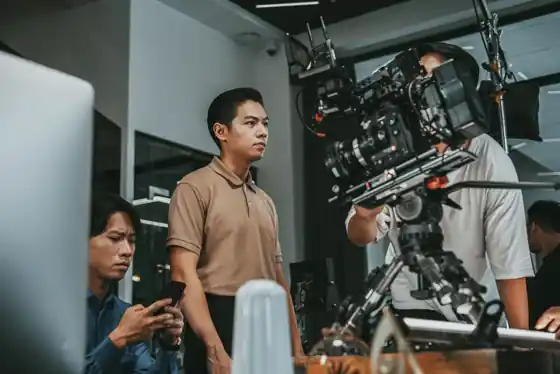
Different content formats demand different editing pipelines. Pricing per finished minute varies by 10×–40× across the formats below. Knowing the format vocabulary lets you budget realistically and brief accurately.
Talking-head — 1 to 3 hours of editing per finished minute. Single person on camera, clean cuts, basic colour correction, music bed, lower-thirds. A 10-minute course episode takes 10-30 hours; a freelancer charges Rp600k–Rp1.5M per video, a studio editor Rp1.2M–Rp1.8M. For the video studio rental side, this is the dominant format — 55.5% of Villo Studio's revenue across 23 months runs through talking-head alone.
Podcast with video — 0.5 to 1 hour of editing per finished minute. Multi-cam interview, less B-roll, predictable shot patterns (host, guest, two-shot). A 45-minute podcast episode takes 20-45 hours; freelancer rates Rp1.5M–Rp3M, studio editors Rp2M–Rp3.5M. The efficiency comes from repeatable cuts — once the editor knows your show's pacing, episode 5 takes 30% less time than episode 1.
Brand commercial and marketing video — 8 to 15 hours per finished minute. Multi-shot, multi-location, motion graphics, sound design, custom music or licensed track, colour grading by a specialist. A 90-second brand video takes 12-25 hours; freelancer rates Rp3M–Rp6M, studio editors Rp4M–Rp8M, production houses Rp8M–Rp20M. The variance reflects scope ambiguity — the same 90-second deliverable can mean five different scopes depending on creative direction.
Wedding highlight reel — 20 to 40 hours per 3-6 minute reel. Multi-cam, drone footage, music synchronisation, emotional arc construction, colour grading for skin tones across mixed lighting. Wedding videography is structurally bundled — the videographer who shot the wedding edits it, with the edit baked into the package price (Rp15M–Rp50M+ for premium packages). Asking a freelance editor to cut someone else's wedding footage is uncommon and expensive — most won't accept the brief.
Short-form social content (60 seconds and under) — 30 minutes to 2 hours per video. TikTok, Instagram Reels, YouTube Shorts. Heavy on text overlays, fast cuts, music sync. Freelance rates Rp200k–Rp600k per video; many briefs go DIY via CapCut. The economics only work at volume — 20+ videos per month — because per-video overhead eats the margin otherwise.
Villo Studio's average check across all service lines fell 30% from FY25 (Rp3.24M) to FY26 (Rp2.28M) — not because prices dropped but because the volume of short-form briefs doubled. Mix-shift toward low-end editing compressed the average. The lesson for budgeting: the format you choose drives the cost curve more than the operator you pick.
How to brief and book a video editor in Bali — step by step
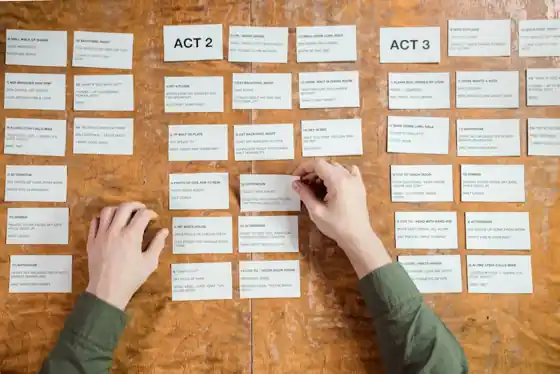
Booking a video editor in Bali takes 30 minutes of upfront work and saves 3-5 days of revision back-and-forth. The steps below cover both freelance and studio bookings, with divergences flagged.
1. Write a one-page brief before the budget conversation. Format (talking-head / podcast / brand / wedding / short-form), duration (target finished length), source footage (how many minutes of raw, how many cameras, audio quality), style reference (link 2-3 videos with the look and pace you want), deliverable format (1080p / 4K, MP4 / ProRes, social variants 9:16 / 1:1 / 16:9), revision rounds (lock the number, 2-3 is standard), and turnaround (be honest about real deadline vs preferred). The 30 minutes you spend writing this brief saves 3-5 days of "actually I wanted..." emails after delivery.
2. Send style references, not vibes. "Cinematic" is not a style reference. Two YouTube links and a one-sentence note ("this pacing but warmer colour grade, like the second video") is a style reference. Editors price by clarity; an ambiguous brief gets a defensive quote (high) or a vague one (followed by overruns).
3. Get a fixed-price quote, not an hourly rate. Hourly billing on Bali leads to overruns. Always settle on a piece rate — Rp1.5M for this 10-minute talking-head, Rp4M for this 90-second brand video. If the editor insists on hourly, ask for a cap; if they won't cap, pick a different editor.
4. Confirm the deliverable spec in writing before deposit. Output format, frame rate, resolution, codec, file naming convention, delivery method (Google Drive / WeTransfer / Frame.io). For brand work, also confirm: who owns the project files (Premiere / DaVinci / Final Cut), are raw assets returned or kept, how long are files retained after delivery. Standard deposit is 30-50% of the project price; for studio editors it's often Rp500k–Rp1M flat.
5. Block time for your own feedback rounds. The single most common cause of late delivery is not editor speed — it's client feedback delay. If you commission an edit on Monday with 7-day turnaround, you'll get the first cut Thursday. Block 24 hours on your calendar for review and consolidated notes. Round-tripping feedback over a week extends the total delivery to 14 days regardless of editor speed.
Most Bali editors — both studio and freelance — run WhatsApp business numbers for first contact, answered same-day during business hours (9am–6pm Bali time, UTC+8). Email works for production houses and larger agencies but adds 24-48 hours to response time.
Common Bali video editing mistakes — and what they cost

Booking a shoot without booking the edit. A Rp2M shoot day with no editor commissioned upfront often costs Rp5M total once you scramble to find a freelance editor with a free week. We've seen clients spend 3 weeks shopping for an editor while raw footage sits on a hard drive losing relevance. Book the shoot and the edit as a single project, ideally from a single operator.
Skipping the music licensing conversation. A track pulled from YouTube without a license is a Content ID claim waiting to happen — and on YouTube it means monetisation goes to the rights holder, not to you. For commercial work the music license is non-negotiable; Epidemic Sound and Artlist subscriptions cost Rp200k–Rp500k per month. Asking the editor "do you have music covered" before deposit is the fix.
Undefined revision rounds. This is the single largest source of editor-client disputes on Bali. Standard scope is 2-3 rounds; round 4 onwards costs Rp300k–Rp800k per round. Lock the number at brief stage, not when round 4 arrives.
Sending vague feedback in batches. "Make it punchier" is not feedback. Timestamped notes ("00:42 — cut on the inhale, not the exhale"; "01:15 — drop music bed -6dB under the dialogue") cut revision time in half. Frame.io and Vimeo Review handle this natively; Google Drive comments work in a pinch.
Hiring on price alone without checking turnaround capacity. The cheapest freelance editor on the island might be cheapest because they have 8 active projects and your video sits in a queue for 3 weeks. Always confirm current capacity and proposed delivery date before deposit. "When can you start, when can you deliver" should be question one, before pricing.
Treating short-form and long-form as the same brief. A 60-second Instagram Reel and a 10-minute YouTube episode require fundamentally different editor instincts. Pacing, music sync, text overlay density, retention hooks — all different. Editors specialise; ask for samples in the specific format you're commissioning, not a generic showreel.
When NOT to hire a video editor in Bali
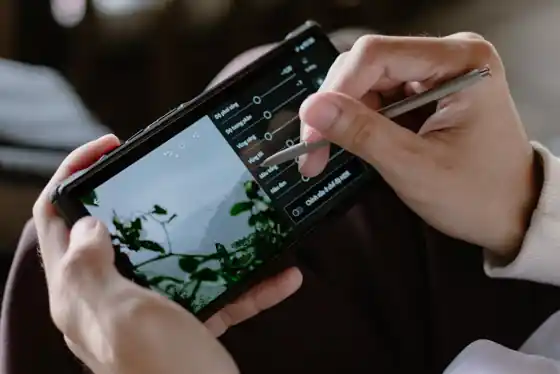
Hiring a Bali video editor is the right call when the deliverable is multi-minute, format-specific, and pays back commercially. It's the wrong call in five specific cases, and we'd rather you save the money than waste it.
If your deliverable is a 60-second social clip — Instagram Reel, TikTok, YouTube Short — DIY on CapCut almost always wins. The format rewards immediacy and personality; hired editors tend to over-polish until the clip stops feeling native to the platform. Spend the Rp600k you'd pay an editor on a CapCut Pro subscription and 5 hours of YouTube tutorials. By video number 10 you'll be faster and cheaper than any freelancer.
If you're filming a wedding, don't hire a standalone editor. Wedding videography in Bali is structurally bundled — the videographer who shot the wedding edits it, with the edit included in the package (Rp15M–Rp50M+). A freelance editor cutting someone else's wedding footage is uncommon, expensive (Rp4M–Rp8M+ for a 5-minute reel), and the editor lacks the on-day context that drives the emotional arc.
If you have an international brand with an in-house editorial team, send the raw footage home. The total cost of brand consistency — colour palette, brand fonts, motion graphics templates, music licensing through corporate accounts — usually beats hiring a Bali editor and then briefing them on your brand system. The exception is recurring weekly content where the editor builds the templates locally.
If your total project budget is under Rp1M, the editor tier doesn't fit. A Rp500k freelance editor will deliver a basic cut; that basic cut needs you to provide clean shot footage with no continuity errors, decent audio, and a clear sequence already worked out. For a one-off video at that budget, DIY is faster and the result is comparable.
If you're producing a course episode in an established 8-12 part series with locked templates, hiring a new editor mid-series is risky. Style drift between episodes is the single most common complaint course buyers raise. Stick with one editor across the series, even if the per-episode rate is higher than the cheapest alternative.
We list these mismatches because Near Me's job is to send people to the operator that fits, not to push editor hire by default. The right answer for a Rp500k social clip is a CapCut tutorial, not a freelancer — and that's an honest pointer rather than a missed referral. Our broader videography in Bali guide and video studio rental guide cover the shoot-side decisions; this guide covers the edit-side. The full catalog of video production operators lists the studios with verified in-house edit lines.
Frequently asked
How much does video editing cost in Bali on average?+
Four honest tiers. DIY on CapCut or Premiere costs Rp0–Rp500k for software, your time on top. Local freelance editors charge Rp600k–Rp1.5M per finished talking-head video, Rp2M–Rp4M for multi-cam brand cuts. Studio editors who shot the footage charge Rp1.2M–Rp3M with locked scope. Production houses with full creative direction charge Rp4M–Rp15M per video. Pricing varies by 3× across the same Bali freelance market for the same brief — sample work from the last 60 days matters more than headline rate.
What's the difference between colour correction and colour grading?+
Different things, often bundled into one quote. Colour correction fixes exposure, white balance, and skin tones so the footage looks like real life — 30-60 minutes per finished minute, usually included in the base price. Colour grading applies a creative look — film emulation, brand palette, mood — and runs 1-3 hours per finished minute, usually an upsell. Confirm which one is in your quote before paying. "Color graded" on a freelancer's invoice can mean either; ask for the specific scope.
Should I hire a Bali editor or send footage to my home country?+
Depends on three variables: brand consistency, recurring volume, and timezone. If you have an in-house editorial team with locked templates and brand colour palette, send footage home — the consistency wins. If you're producing recurring weekly content and want a long-term relationship with one editor, Bali wins on price and turnaround once the editor learns your style. For one-off projects with no brand system to maintain, Bali freelancers deliver competent work at 40-60% of European or North American day rates.
Do Bali studios include editing in the shoot price?+
Mostly no — editing is a separate line. Villo Studio's video editing service runs at 7.1% of total revenue as a distinct upsell, not bundled. Genesis Creative Centre, ICON MEDIA, On Air Studio, VoxPop all run separate edit lines. The exception is wedding videography teams (edit is bundled in the package price) and full-service production houses like HypeHunters (creative direction and edit included at the Rp4M+ tier). Always confirm at brief stage whether the quote includes shoot only or shoot plus edit.
Can I get same-day video editing in Bali?+
For short-form clips under 2 minutes — sometimes, with rush surcharge of 50-100%. Studios that did the shoot can occasionally turn a same-day cut for a quick social asset. For talking-head over 5 minutes, freelance editors typically need 24-72 hours minimum; rushing this compromises quality on the colour and audio passes. For multi-cam brand work, same-day is structurally impossible — the editing pipeline (sync, sequence, grade, mix, motion graphics) takes 12-25 hours of work regardless of operator.
What's a typical revision turnaround in Bali?+
Standard scope is 2-3 rounds of revision with 24-48 hour turnaround per round. Round 4 onwards costs Rp300k–Rp800k per round depending on complexity. The most common source of late delivery is not editor speed but client feedback delay — block 24 hours on your calendar for consolidated, timestamped feedback after each cut arrives. Frame.io and Vimeo Review handle timestamped notes natively; Google Drive works but adds friction.
Do I need a music license for YouTube videos edited in Bali?+
Yes for commercial work, and yes even for non-monetised channels if you want to avoid Content ID claims. Tracks pulled from YouTube or random SoundCloud links will trigger automated claims that route monetisation to the rights holder. Standard solutions: Epidemic Sound (Rp200k per month, broad library, commercial license included) or Artlist (Rp350k per month, higher quality, simpler license). Ask the editor at brief stage whether music licensing is included in the quote or a separate line — never assume.
Keyword cluster
About the author
Philippe Durand· Production Specialist
Independent producer based in Canggu since 2019. Spent the last six years inside Bali's video and podcast studios — first as a hired director, now reviewing them for Near Me. Full profile →
Ready to find a studio?
Browse our full catalog of 17+ Bali studios, or jump to the podcast category.